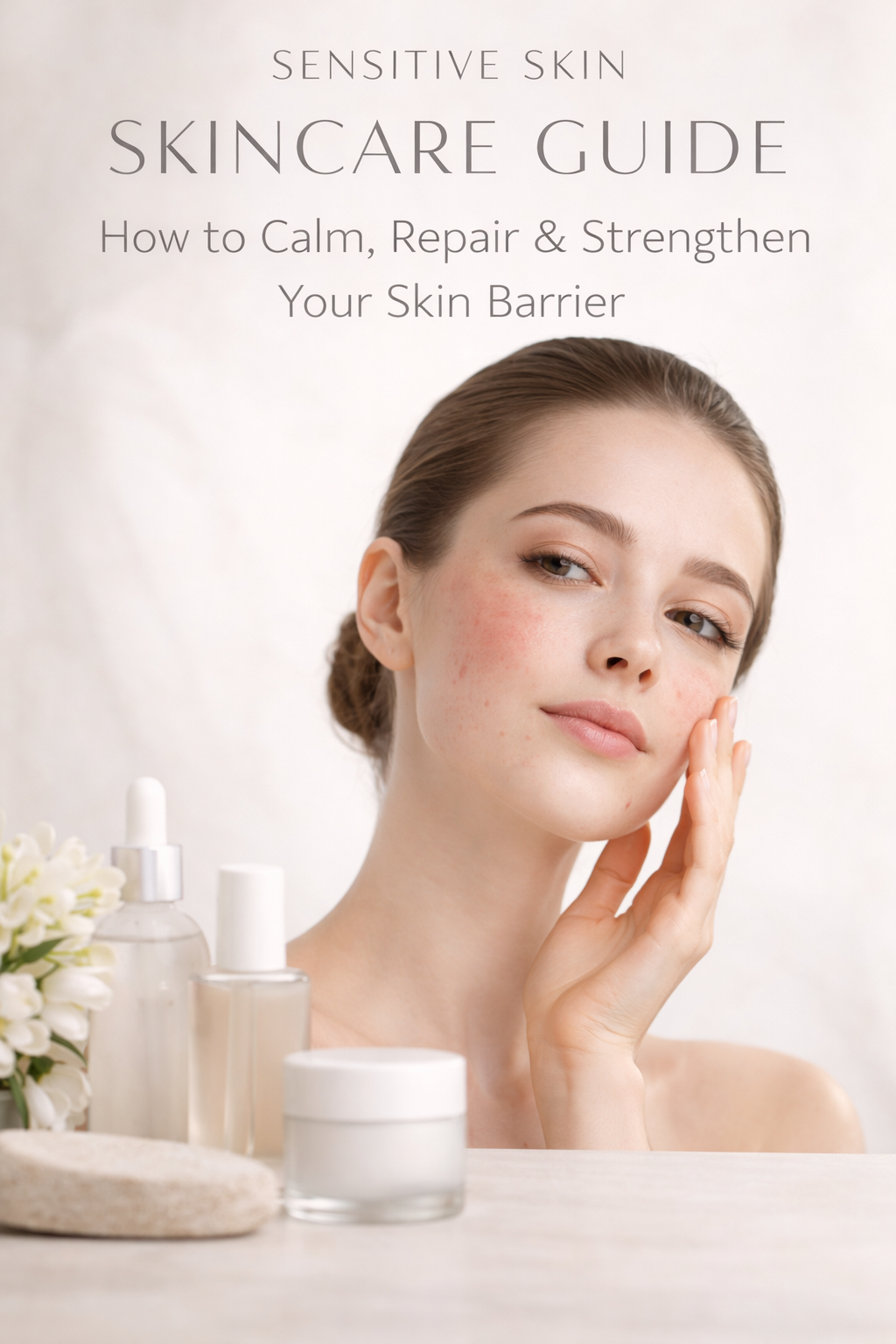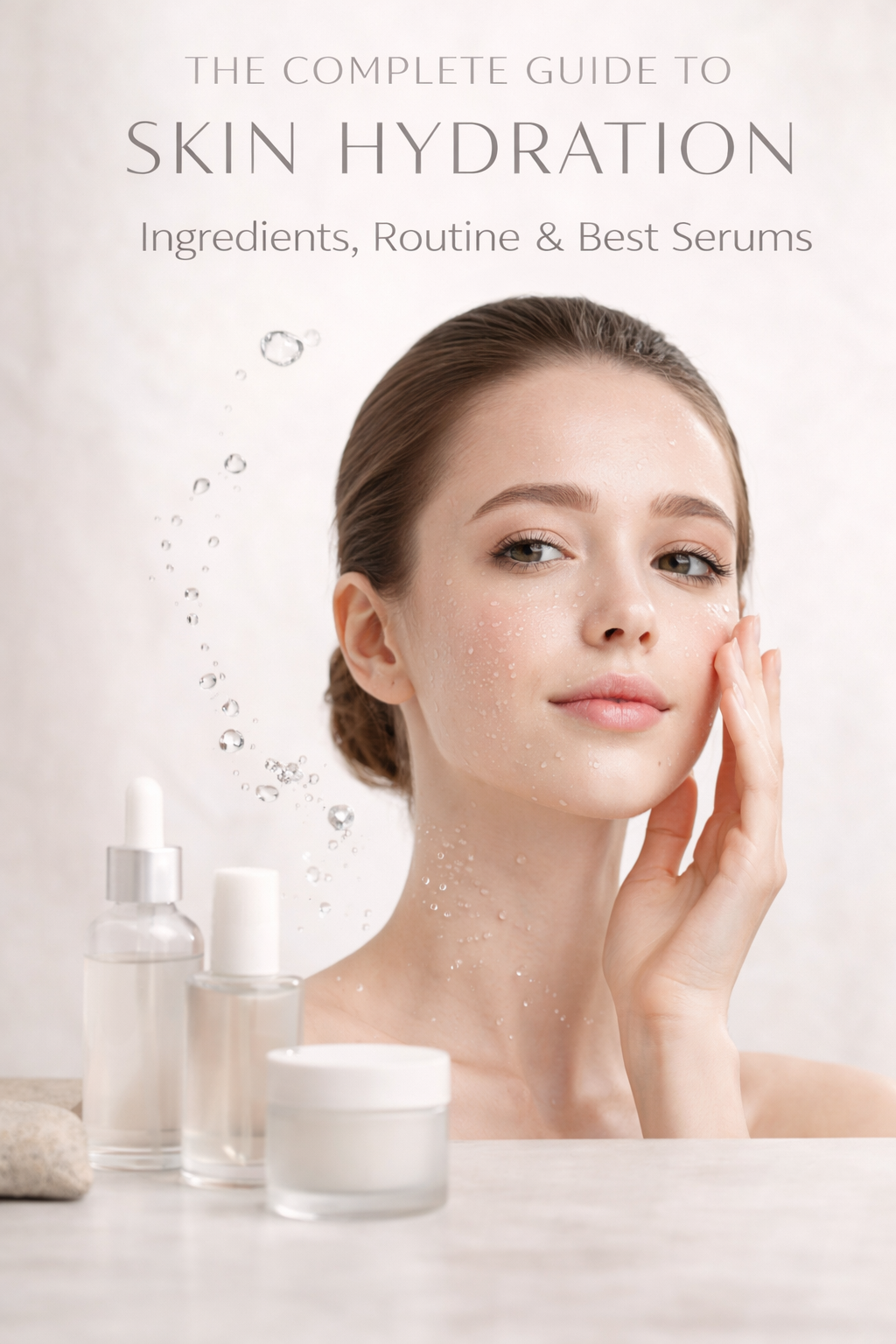
A skin hydration serum helps restore moisture, strengthen the skin barrier and improve overall skin health. Ever wondered why some people’s skin looks radiant? Hydration is often the key. When skin is well-hydrated, it feels soft and looks healthy. But busy routines, pollution, and harsh weather can disrupt your skin’s barrier, leaving it dry and dull.
Using a high-quality skin hydration serum regularly can improve skin texture and prevent dehydration.
Dry skin and dehydrated skin aren’t the same. Dry skin lacks natural oils; dehydrated skin lacks moisture. Both can leave your face feeling tired or tight. The right hydration serum, with high-quality ingredients, makes a clear difference.
In this guide, you’ll learn how hydration actually works, which ingredients bring real results, and how to build a routine that keeps your skin looking and feeling its best. To get started, let’s break down what ceramides do, why hyaluronic acid is everywhere, and how you can pick the right serum for your own skin’s needs.
Understanding Skin Hydration and Why It Matters
Hydration is simply about how much water your skin cells hold onto. When they have enough, your skin’s outer barrier works better-it keeps out pollution and irritants, locks in moisture, and helps your whole face stay healthy and comfortable.
The outer layer of your skin (the stratum corneum) acts as a shield, preventing water loss. When it’s damaged, water escapes, and skin feels tight or flaky.
Dehydrated skin may also show symptoms such as:
- Fine lines appear more obvious
- A dull or tired look
- Extra sensitivity
- Uneven or bumpy texture
A good hydration serum is like a tall glass of water for your face. These serums are packed with ingredients that draw moisture in, repair your skin’s barrier, and calm any irritation-helping your skin bounce back.
But hydration isn’t just about looks. It helps your skin stay strong and flexible, and even makes the rest of your skincare work better. With this in mind, let’s clarify the differences between dry and dehydrated skin before choosing the best products.
The Difference Between Dry Skin and Dehydrated Skin
Understanding the difference between dry and dehydrated skin is essential before selecting the best serum for dry skin or a hydration serum.
Dry skin is a skin type-it means your skin just doesn’t make enough natural oils. If your face feels rough, flaky, or tight, you probably have dry skin.
Dehydrated skin is different. It’s temporary and simply means your skin is low on water-even if you have oily skin, you can still get dehydrated.
Cold weather, indoor heating, and wind can dry your skin by damaging its natural barrier.
This is where hydrating ingredients such as hyaluronic acid, ceramides, niacinamide, and azelaic acid become beneficial. They help restore water balance while strengthening the skin’s protective barrier.
Key Ingredients That Improve Skin Hydration
Choosing the right mix of ingredients is key. The best hydrating products combine ingredient types to keep moisture in all day.
Hyaluronic Acid
Hyaluronic acid acts like a sponge, holding large amounts of water.
Serums with hyaluronic acid pull moisture into the skin, plumping it and reducing fine lines.
Hyaluronic acid serum benefits for dry, dehydrated skin include improved elasticity, a smoother texture, and enhanced hydration.
But for best results, pair hyaluronic acid with ingredients that help seal that moisture in-otherwise, it can just evaporate away.
Ceramides
Ceramides are natural fats in your skin barrier, working as the glue that holds skin cells together and locks in water.
Using a ceramide serum replenishes these essential fats and strengthens your skin’s barrier. The result? Less moisture escapes, and your skin gets less irritated.
Ceramides are especially helpful if your skin is dry or sensitive-they help rebuild your skin’s natural defenses.
Niacinamide
Niacinamide (vitamin B3) hydrates, calms redness, and balances oil, making it effective for nearly every skin type.
Paired with other hydrating ingredients, niacinamide can smooth texture, help your skin hold onto moisture, and even out your complexion.
Azelaic Acid
Azelaic acid calms redness, evens skin tone, and gently exfoliates for clearer, calmer skin.
If your skin gets red or breaks out easily, a serum with both azelaic acid and niacinamide can help clear things up while keeping your skin hydrated.
Now that you know the benefits of individual ingredients, you might wonder whether ceramides or hyaluronic acid is better for hydration. Here’s how they compare-and why they’re often paired together.
Ceramides and hyaluronic acid work best together, each supporting your skin in different ways.
Hyaluronic acid pulls in moisture and instantly hydrates your skin.
Ceramides seal in water by strengthening your skin’s barrier, locking in hydration.
So, the best hydration serums usually have both: hyaluronic acid to bring in water, and ceramides to keep it there.
It’s this teamwork that keeps your skin hydrated for longer and supports lasting skin health.
If your goal is softer, healthier skin, look for a serum that includes both ingredients-you’ll notice the difference.
Hyaluronic Acid Serum Benefits for Dry and Dehydrated Skin
Hyaluronic acid has gained immense popularity because of its ability to deliver immediate hydration benefits.
When used consistently, a hyaluronic acid hydration serum offers several advantages.
Firstly, it improves skin elasticity. Hydrated skin cells appear plumper and smoother, which reduces the visibility of fine lines.
Secondly, it enhances the skin’s ability to absorb other skincare products. When the skin barrier receives adequate moisture, it becomes more receptive to active ingredients.
Thirdly, hyaluronic acid improves overall skin texture. Dehydrated skin often appears rough or uneven, but hydration restores softness and suppleness.
Another important benefit is its compatibility with most skincare routines. Hyaluronic acid works well with ceramides, niacinamide, and azelaic acid, making it a versatile ingredient for hydration-focused skincare.
Building the Ideal Hydrating Skincare Routine
Achieving long-term skin hydration requires more than simply applying one serum. A consistent routine that supports the skin barrier is essential.
Morning Routine for Hydrated Skin
A gentle cleanser is the first step in maintaining hydration. Harsh cleansers may strip the skin of natural oils and worsen dehydration.
After cleansing, applying a hydrating serum helps replenish the skin’s water content. Look for formulas containing hyaluronic acid, ceramides, and niacinamide.
A moisturiser should follow the serum. Moisturisers create a protective layer that locks hydration into the skin.
Finally, sunscreen is essential during the daytime. Ultraviolet radiation can damage the skin barrier and accelerate moisture loss.
Evening Routine for Deep Hydration
The evening skincare routine focuses on repair and recovery.
Start with a gentle cleanser to remove impurities and excess oil accumulated throughout the day.
Next, apply a hydration serum to restore moisture balance. Nighttime is an ideal moment to use a more concentrated formula that supports skin repair.
Products containing azelaic acid and niacinamide can help calm redness and improve skin tone while maintaining hydration.
A nourishing moisturiser should be applied as the final step. Overnight moisturisers often contain ceramides that strengthen the skin barrier and reduce water loss.
How to Choose the Best Serum for Dry Skin
To choose an effective serum for dry skin, follow these steps: first, check the ingredient list for hydrating components. Next, avoid formulas with harsh ingredients. Then, consider the serum’s texture for your skin type. Lastly, think about any additional skin concerns, such as redness or uneven tone.
Firstly, Select a serum containing multiple hydrating ingredients. Look for hyaluronic acid, ceramides, and niacinamide, as they often work best together.
Then next, Avoid formulas with excessive alcohol or harsh exfoliating agents, since these may weaken the skin barrier and worsen dehydration.
Thirdly, consider the serum’s texture. Lightweight gel-based serums often absorb quickly and provide immediate hydration without leaving residue.
Finally, If you experience redness or uneven skin tone along with dryness, choose a serum containing azelaic acid and niacinamide for additional benefits. Consistency is equally important. Hydration results become visible only when the serum is used regularly as part of a balanced skincare routine.
Common Mistakes That Reduce Skin Hydration
Even with high-quality skincare products, certain habits may prevent the skin from staying hydrated.
One common mistake is over-cleansing. Washing the face too frequently removes protective oils and disrupts the skin barrier.
Another mistake involves skipping moisturiser after applying a hydration serum. Serums attract moisture, but moisturisers help seal it into the skin.
Using very hot water while washing the face can also damage the skin barrier and increase dehydration.
Environmental factors such as low humidity, heating systems, and air conditioning may also contribute to moisture loss.
Maintaining hydration, therefore, requires both proper skincare products and mindful daily habits.
Lifestyle Habits That Support Skin Hydration
Skincare products are only one part of maintaining healthy skin hydration. Lifestyle habits also influence skin health.
Drinking sufficient water helps support overall hydration levels in the body. Although drinking water alone does not directly hydrate the skin, it supports healthy cellular function.
A balanced diet rich in essential fatty acids also benefits the skin barrier. Foods such as nuts, seeds, and oily fish provide nutrients that help maintain healthy skin lipids.
Adequate sleep supports skin regeneration. During sleep, the skin repairs itself and restores its moisture balance.
Stress management also plays a role in skin health. Chronic stress may disrupt hormonal balance and affect the skin barrier.
Combining healthy habits with an effective skincare routine creates the best conditions for long-lasting skin hydration.
Final Thoughts
Skin hydration is the foundation of healthy, radiant skin. When the skin barrier functions properly, it retains moisture, resists environmental damage, and maintains a smooth, balanced appearance.
The most effective skincare routines combine humectants such as hyaluronic acid with barrier-repair ingredients like ceramides. This combination helps deliver moisture to the skin while preventing water loss.
A well-formulated hydration serum can significantly improve skin texture, elasticity, and comfort when used consistently.
For individuals searching for the best serum for dry skin, choosing products that include ceramides, hyaluronic acid, niacinamide, and azelaic acid can provide both hydration and barrier support.
With the right ingredients, a balanced skincare routine, and healthy daily habits, achieving deeply hydrated, resilient skin is entirely possible.