Complete Anti Aging Skincare Guide
This anti aging skincare guide explains how wrinkles form and which ingredients help support collagen and healthy skin. Skin ageing is an inevitable process that occurs gradually over time. While we can’t halt ageing, skincare advances now allow us to minimise, delay, and control many visible changes. By understanding how skin changes, how wrinkles form, and which ingredients strengthen collagen, anyone can take steps to maintain smooth, healthy skin.
Following a consistent anti aging skincare guide can help maintain collagen levels and reduce visible signs of ageing.
Most people notice early signs of ageing in their late twenties or early thirties. You might notice fine lines around the eyes, reduced skin elasticity, or a duller tone. These initial changes can progress into pronounced wrinkles or uneven pigmentation. Fortunately, a straightforward, consistent skincare routine using proven ingredients helps skin remain resilient and repair efficiently.
This guide breaks down the science behind why our skin ages, clarifies the difference between fine lines and wrinkles, highlights the best ingredients for boosting collagen, and shares practical tips for choosing an anti-ageing serum that suits your needs in the long run.
Understanding Skin Ageing Causes
Skin ageing results from a combination of intrinsic and extrinsic factors. Intrinsic ageing refers to the natural biological changes that occur as the body ages, while extrinsic ageing is influenced by environmental factors and lifestyle habits.
One of the primary causes of skin ageing is the gradual reduction in collagen and elastin production. Collagen is the structural protein responsible for the skin’s firmness and strength, while elastin allows the skin to stretch and return to its original shape. Beginning around the mid-twenties, collagen production gradually decreases each year, contributing to the development of wrinkles and sagging skin.
Another primary factor is oxidative stress. Environmental triggers such as UV radiation, pollution, and tobacco smoke generate free radicals that damage skin cells. These unstable molecules degrade collagen and impair the skin’s repair process.
Sun exposure is considered one of the most significant contributors to premature ageing. Ultraviolet rays penetrate the skin and break down collagen, leading to wrinkles, pigmentation changes, and a rough texture. This process is often referred to as photoageing.
Lifestyle factors also influence how quickly skin ages. Inadequate sleep, poor nutrition, high stress levels, and dehydration can weaken the skin barrier and accelerate the appearance of ageing signs. Even repetitive facial expressions, such as squinting or smiling, gradually create lines in areas where the skin folds frequently.
Understanding what drives skin aging is empowering. You can actively influence many of these changes with smart habits and effective skincare choices depending on your sensitivity.
Fine Lines vs Wrinkles: Understanding the Difference
When discussing ageing skin, the terms fine lines and wrinkles are often used interchangeably. However, they describe slightly different stages in the ageing process.
Fine lines are shallow, and early creases are often seen where the skin is delicate-around the eyes, lips, and forehead. They are usually caused by dehydration, reduced collagen, and repeated facial movement.
Wrinkles, in contrast, are deeper and more defined folds in the skin. They form when collagen and elastin fibres break down over time, reducing the skin’s structural support. As the skin loses its firmness and elasticity, these deeper lines become more noticeable and permanent.
Distinguishing between fine lines and wrinkles is essential when selecting products. Fine lines often respond to effective hydration, gentle exfoliation, and early use of antioxidants or niacinamide. Wrinkles, being deeper, generally require targeted treatments that stimulate collagen or support skin renewal.
Preventative care is particularly effective during the early stages of fine lines. By supporting the skin before deeper wrinkles form, it is possible to maintain smoother and more resilient skin for longer.
The Role of Collagen in Youthful Skin
Collagen is one of the most abundant proteins in the human body and plays a central role in maintaining youthful skin structure. It forms a network of fibres within the dermis that supports the skin’s firmness, density, and elasticity.
During youth, collagen production is highly active, which keeps the skin smooth and firm. As time passes, the body produces less collagen, and existing fibres gradually weaken. This imbalance results in thinner skin, reduced elasticity, and the formation of wrinkles.
External factors such as sun exposure and pollution accelerate collagen degradation. Ultraviolet radiation activates matrix metalloproteinases, which break down collagen fibres in the skin. Over time, repeated damage leads to visible signs of ageing, including sagging and deep wrinkles.
Supporting collagen production through skincare and nutrition can help maintain the skin’s structural integrity. This is where carefully selected skincare ingredients become particularly valuable.
Collagen Boosting Ingredients That Support Skin Renewal
Modern dermatology has identified several ingredients that encourage collagen production and improve overall skin quality. These collagen-boosting ingredients work through different mechanisms, including stimulating skin renewal, protecting existing collagen fibres, and improving hydration.
Retinoids are among the most widely studied anti-ageing compounds. Derived from vitamin A, retinoids accelerate cell turnover and encourage new collagen synthesis. With consistent use, they can gradually improve skin texture and reduce the appearance of wrinkles.
Vitamin C is another powerful ingredient that supports collagen formation. It functions as an antioxidant, protecting the skin from free radical damage, and also plays a direct role in collagen synthesis. Regular use of vitamin C serums can help brighten the complexion and strengthen the skin’s structural support.
Niacinamide, a form of vitamin B3, helps improve skin barrier function and reduce the appearance of fine lines. It also supports even skin tone and enhances moisture retention.
Azelaic acid has gained increasing attention for its ability to improve skin clarity while supporting gentle skin renewal. When combined with niacinamide, it offers a balanced approach that addresses uneven tone, inflammation, and early signs of ageing simultaneously.
Peptides represent another category of collagen-boosting ingredients. These short chains of amino acids act as signalling molecules that encourage the skin to produce more collagen and elastin.
Finally, hyaluronic acid provides essential hydration by attracting and retaining water within the skin. Although it does not directly stimulate collagen production, maintaining adequate hydration helps the skin appear smoother and plumper, reducing the visibility of fine lines.
Building an Effective Anti-Aging Skincare Routine
A consistent anti-aging skincare routine is essential for maintaining healthy skin over time. Rather than relying on a single product, effective anti-ageing care involves a combination of protective, restorative, and nourishing steps.
Morning skincare should focus primarily on protection and hydration. Gentle cleansing removes overnight impurities without stripping the skin barrier. Following cleansing, a serum containing antioxidants such as vitamin C can help neutralise environmental damage throughout the day.
Hydration is another crucial step in the morning routine. Moisturisers containing ingredients such as hyaluronic acid and niacinamide help maintain skin elasticity and prevent dehydration lines.
Sun protection remains the most important step in any anti-aging skincare routine. Broad-spectrum sunscreen protects against ultraviolet radiation, which is one of the most significant causes of skin ageing. Consistent daily sunscreen use can dramatically slow the formation of wrinkles and pigmentation.
Evening skincare focuses on repair and regeneration. During sleep, the skin naturally undergoes its most active repair processes. Cleansing removes sunscreen, pollutants, and makeup accumulated throughout the day.
Targeted treatment serums can then be applied to address specific concerns such as collagen loss, uneven tone, or fine lines. Ingredients such as retinoids, peptides, and azelaic acid work particularly well in the evening, since the skin is not exposed to sunlight.
A nourishing moisturiser completes the routine by locking in hydration and supporting overnight recovery.
Consistency always outperforms complexity. A simple daily routine delivers greater results than an elaborate regimen you rarely use.
Choosing the Best Anti-Aging Serum
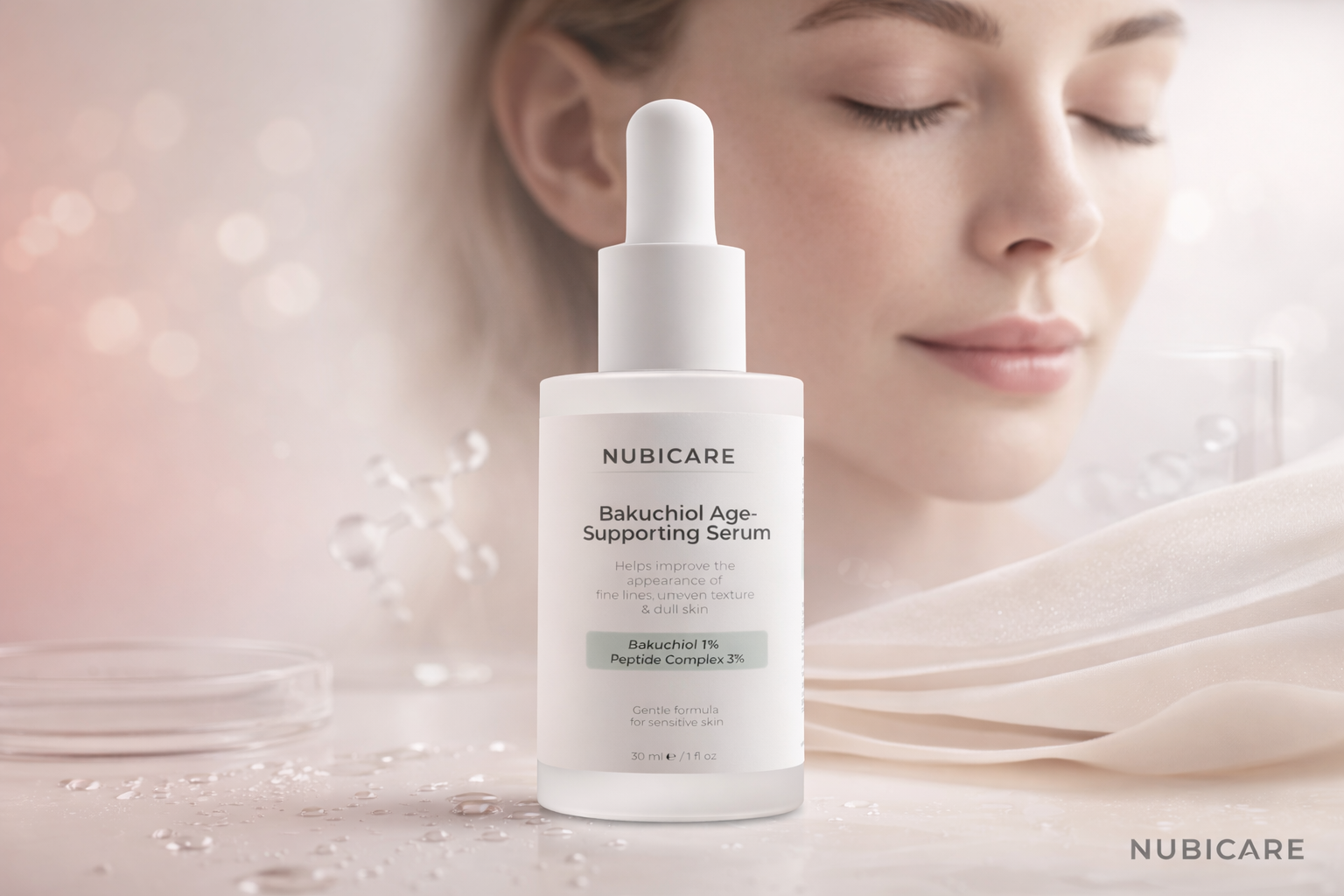
Serums play a central role in modern skincare because they contain concentrated active ingredients that penetrate more deeply into the skin. Selecting the best anti-aging serum depends on understanding individual skin needs and choosing ingredients that address specific ageing concerns.
A high-quality anti-ageing serum often includes antioxidants to protect the skin, peptides to stimulate collagen production, and hydrating ingredients to support the skin barrier. Lightweight textures allow these active ingredients to absorb efficiently without leaving heavy residue.
For individuals experiencing early signs of ageing, serums containing niacinamide and azelaic acid offer a balanced approach. Niacinamide helps strengthen the skin barrier and minimise the appearance of fine lines, while azelaic acid supports gentle exfoliation and improves uneven skin tone.
Those seeking more intensive collagen stimulation may consider serums containing retinoids or peptides. These ingredients encourage cellular renewal and help gradually improve skin firmness.
Hydrating serums with hyaluronic acid are particularly beneficial for individuals who experience dryness or dehydration lines. Maintaining adequate moisture levels helps the skin appear smoother and more supple.
When selecting the best anti-aging serum, it is important to prioritise consistent use rather than expecting immediate results. Most collagen-supporting ingredients require several weeks or months of regular application before visible improvements appear.
Lifestyle Habits That Support Youthful Skin
Skincare products alone cannot completely prevent the effects of ageing. Healthy lifestyle habits play an equally important role in maintaining vibrant skin.
A balanced diet rich in antioxidants, vitamins, and essential fatty acids provides the nutrients necessary for skin repair and collagen production. Foods such as berries, leafy vegetables, nuts, and fish support overall skin health.
Adequate sleep allows the body to repair damaged cells and restore hormonal balance. Chronic sleep deprivation increases cortisol levels, which may accelerate collagen breakdown and contribute to dull, tired-looking skin.
Hydration is another often overlooked factor. Drinking sufficient water supports skin elasticity and helps the body maintain healthy cellular function.
Stress management also influences skin health. Prolonged stress can trigger inflammation and disrupt the skin barrier, leading to increased sensitivity and accelerated ageing.
Regular physical activity improves blood circulation, delivering oxygen and nutrients to skin cells. This enhanced circulation contributes to a healthier complexion and supports natural repair processes.
Preventative Skincare: Starting Early
Preventative skincare is increasingly recognised as one of the most effective strategies for maintaining youthful skin. Addressing early signs of ageing before deeper wrinkles form helps individuals preserve skin health in the long term.
Many dermatologists recommend introducing gentle preventative ingredients in the mid-twenties or early thirties. Antioxidants, sunscreen, and barrier-strengthening ingredients such as niacinamide help protect the skin from environmental damage.
Introducing targeted treatments gradually can help the skin adapt without irritation. Over time, this preventative approach helps maintain collagen levels and delay the appearance of deeper wrinkles.
Final Thoughts on Managing Skin Ageing
Ageing is a natural and inevitable part of life, yet modern skincare offers numerous ways to support healthy skin as it matures. Understanding the causes of skin ageing, recognising the difference between fine lines and wrinkles, and incorporating collagen-boosting ingredients into daily routines can make a meaningful difference.
An effective anti-aging skincare routine should prioritise sun protection, hydration, and targeted treatment ingredients. Serums containing scientifically supported compounds such as niacinamide, azelaic acid, peptides, and antioxidants can help improve skin resilience and reduce visible signs of ageing.
Selecting the best anti-aging serum requires patience and consistency, as meaningful improvements occur gradually through sustained skin renewal and collagen support.
At the end of the day, keeping your skin looking youthful isn’t about fighting the clock-it’s about helping your skin do what it does best with steady care, good nutrition, and smart protection. With consistency, you can enjoy healthy, glowing skin for years ahead.