Peptides for skin tightening help support collagen production, improve elasticity and keep skin firm as it ages. Think of collagen as your skin’s natural scaffolding – it’s what keeps everything looking firm, plump and smooth. As we get older, our bodies naturally make less collagen, which is why fine lines, wrinkles and a loss of firmness start to show up. You might notice your skin isn’t as bouncy or even as it used to be, and that’s largely due to this slow-down in collagen production.
Thanks to advances in skincare, we now have ingredients that actually help support collagen and keep our skin looking firmer for longer. Peptides are the real stars here – they’re like little messengers that tell your skin it’s time to repair and boost its collagen levels.
If you use peptides regularly as part of your routine, they can help your skin feel springier, look smoother, and bring back some of that youthful glow. When paired with other standout ingredients like bakuchiol, azelaic acid, and niacinamide, peptides become part of a seriously effective anti-ageing strategy. Using peptides for skin tightening consistently can improve skin firmness and reduce the appearance of fine lines.
In this guide, we’ll break down what peptides actually do for your skin, how peptide serums help protect and strengthen your skin’s barrier, which types are best for tightening, and how ingredients like bakuchiol can team up with peptides for even better results.
Understanding Collagen and Why Skin Needs It
Collagen is the most plentiful protein in your skin. Think of it as the framework that keeps your skin firm, smooth, and resilient. Alongside elastin and hyaluronic acid, collagen helps your skin stay strong and hydrated.
When you’re younger, your body makes plenty of collagen, which is why your skin looks plump, elastic, and smooth. But as time goes on, that production slows down for a few reasons.
Age is the biggest factor – collagen starts to dip in your mid-twenties. Sun exposure, pollution, and daily stress speed things up, making it even harder for your skin to hold onto its youthful bounce.
As your collagen levels drop, you’ll notice your skin isn’t as firm. Wrinkles start to show, pores look bigger, and you might see a little sagging.
That’s where targeted skincare can make a difference. Products with peptides give your skin the signal to repair and ramp up collagen again, which can help it look firmer and feel smoother over time.
What Do Peptides Do for Skin? Benefits Explained
Peptides are short chains of amino acids. Amino acids are the building blocks of proteins, including collagen and elastin. In skincare, peptides act as signalling molecules that communicate with skin cells.
When peptides are applied topically, they encourage the skin to produce more collagen and strengthen its natural repair mechanisms. This makes peptides a powerful ingredient for maintaining healthy and youthful skin.
One of the most important roles of peptides is stimulating collagen synthesis. By stimulating fibroblast activity in the skin, peptides help rebuild structural proteins that keep the skin firm.
Peptides also help strengthen the skin barrier, reducing moisture loss, shielding against environmental damage, and minimising irritation. As a result, skin often appears smoother and healthier.
Another benefit of peptides is their ability to support skin repair. They help reduce inflammation and improve skin resilience after environmental stress.
By supporting collagen structure, the skin gradually becomes firmer and fine lines look softer.
Because of these properties, peptides for skin are widely used in anti-ageing serums, moisturisers and targeted treatment formulas.
Peptide Serum Benefits: How They Help Firm and Smooth Skin
Peptide serums are among the most effective ways to deliver peptides into the skin. Serums typically contain concentrated active ingredients and lightweight formulations that penetrate easily.
One of the main peptide serum benefits is improved skin firmness. Peptides stimulate collagen production, gradually strengthening the skin’s structure. This helps restore elasticity and reduce sagging.
Another important benefit is smoother skin texture. When collagen levels improve, the skin surface becomes more even and refined. Fine lines appear less visible, and the complexion looks healthier.
Peptide serums also support hydration. Many peptide formulas are designed to work alongside humectants and barrier-strengthening ingredients. Hydrated skin reflects light better and appears naturally radiant.
Another advantage of peptides is their compatibility with sensitive skin. Unlike aggressive exfoliating acids or retinoids, peptides are generally well tolerated. This makes them suitable for individuals who require gentle anti-ageing care.
Regular use of peptide serums can also improve overall skin resilience. As the skin barrier becomes stronger, the skin becomes less reactive to environmental stressors.
These benefits help explain why peptide serums are recognised in modern dermatological skincare.
Best Peptides for Skin Tightening and Collagen Boost
Not all peptides function in the same way. Different peptides are designed to target specific skin concerns. Understanding the most effective peptides for skin tightening can help individuals choose the right skincare products.
Signal peptides are among the most widely used peptides in anti-ageing skincare. These peptides stimulate fibroblasts to produce collagen, elastin and other essential structural proteins. Over time, this improves firmness and elasticity.
Carrier peptides are another category. These peptides deliver trace minerals, such as copper, to the skin. These minerals help support wound healing and collagen formation.
Neurotransmitter-inhibiting peptide formulations are designed to soften expression lines. They help relax facial tension that contributes to wrinkle formation.
Enzyme inhibitor peptides help prevent collagen breakdown. By protecting existing collagen fibres, they help preserve skin structure and slow the ageing process.
When used consistently, these peptides for skin tightening work together to strengthen the skin matrix, improve elasticity and reduce visible signs of ageing.
Bakuchiol and Peptides: The Ultimate Anti-Ageing Combination
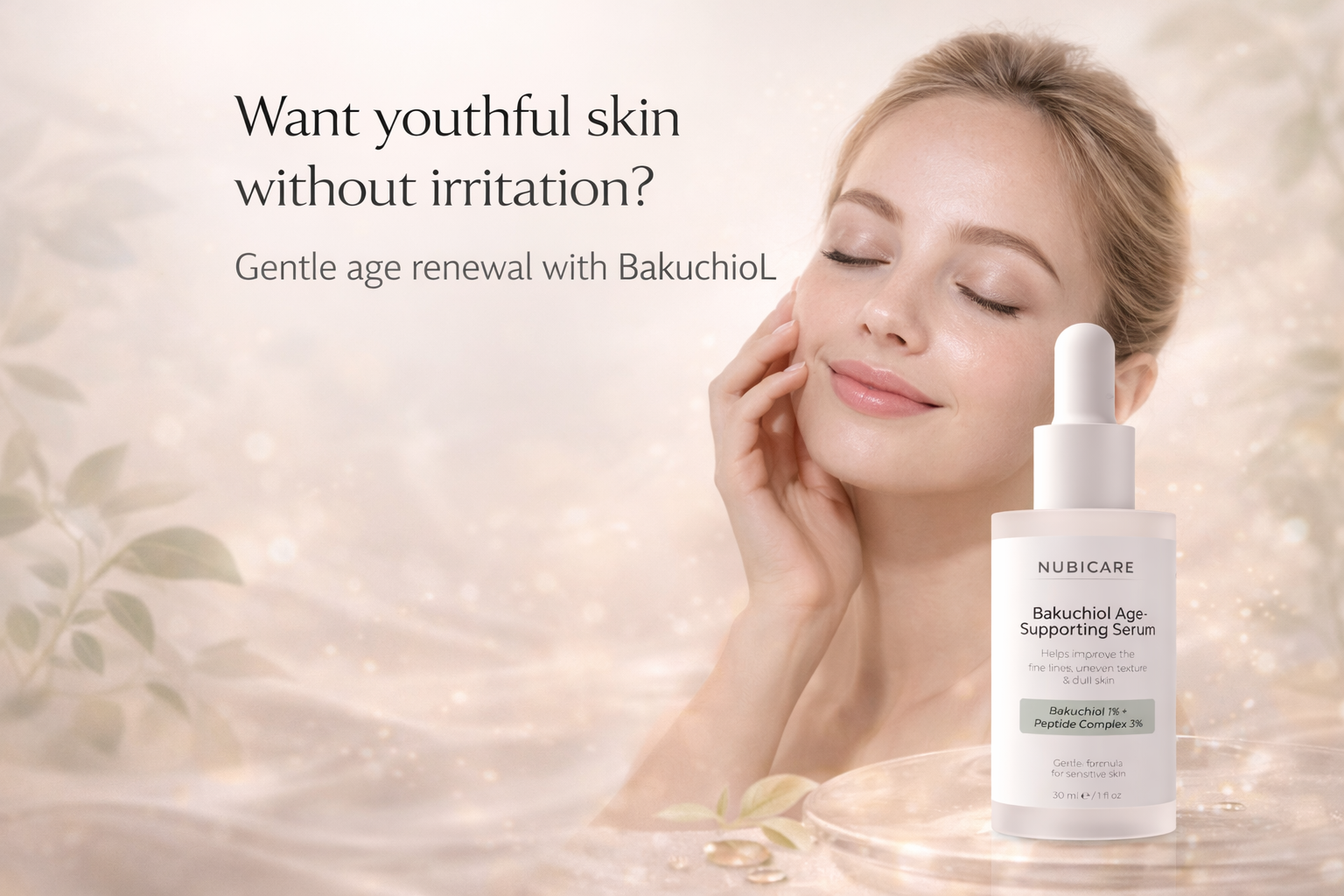
Bakuchiol has become one of the most popular plant-based anti-ageing ingredients. It is often described as a gentle alternative to retinol because it provides similar benefits without causing irritation.
When combined with peptides, bakuchiol creates a powerful combination that enhances collagen production and improves skin renewal.
Bakuchiol helps accelerate cell turnover. This encourages the skin to shed dull surface cells, revealing brighter, smoother skin beneath. At the same time, peptides stimulate collagen synthesis within deeper layers of the skin.
This dual action supports both skin renewal and structural repair. As a result, the skin becomes smoother, firmer and more even in tone.
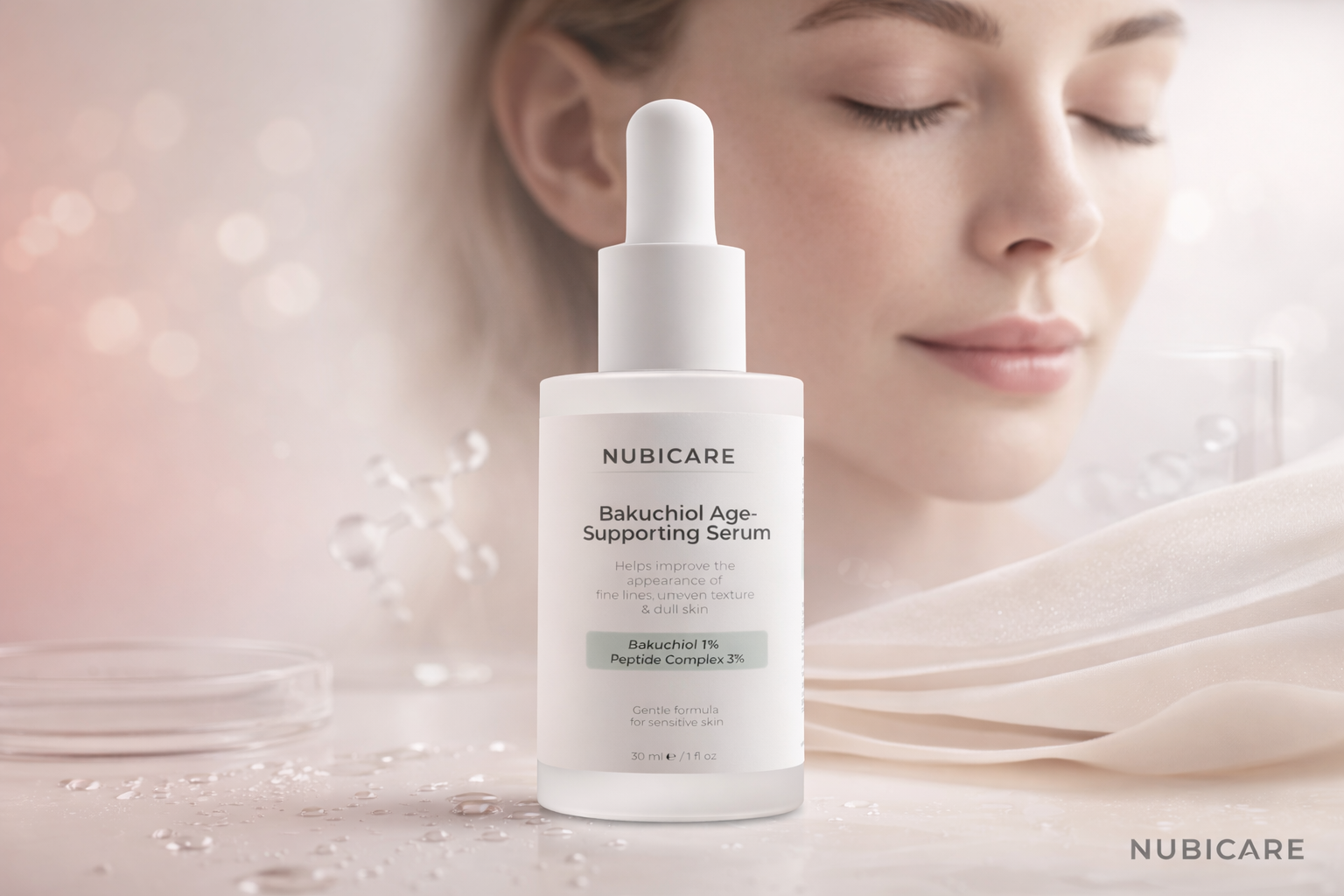
A bakuchiol peptide serum can improve skin texture, reduce the appearance of fine lines, and support collagen production.
Another advantage of this combination is its suitability for sensitive skin. Unlike traditional retinoids, bakuchiol is less likely to cause dryness or redness.
When used regularly, a bakuchiol peptide serum can significantly improve skin firmness while maintaining skin comfort and balance.
Supporting Ingredients That Enhance Peptide Performance
While peptides are powerful on their own, their results improve when combined with complementary ingredients.
Azelaic acid is one such ingredient. It helps reduce redness, inflammation and uneven skin tone. By calming the skin and improving texture, azelaic acid allows peptides to work more effectively on collagen repair.
Niacinamide is another beneficial ingredient. It helps strengthen the skin barrier, regulate oil production and reduce pigmentation. When used alongside peptides, niacinamide supports overall skin health and resilience.
A formulation that includes azelaic acid and niacinamide can therefore complement peptide treatments. While peptides focus on collagen stimulation and skin tightening, azelaic acid and niacinamide improve tone, clarity and barrier strength.
This balanced combination creates a comprehensive skincare approach that addresses multiple signs of ageing at once.
How to Use Peptides in a Skincare Routine
To experience the full benefits of peptides for skin, they must be incorporated correctly into a daily skincare routine.
A gentle cleanser should always be the first step. Cleansing removes impurities, excess oil and environmental pollutants that accumulate throughout the day.
After cleansing, a peptide serum can be applied. This allows the active ingredients to penetrate the skin effectively. Lightweight serums are particularly useful because they deliver concentrated peptides without clogging pores.
Following the serum, a moisturiser helps seal hydration and support the skin barrier. A well-formulated moisturiser can also enhance peptide absorption.
In the morning routine, sunscreen is essential. Ultraviolet exposure is a major cause of collagen breakdown. Daily sun protection prevents further damage and maintains the benefits of peptide treatments.
Peptides can be used both in the morning and in the evening. Consistency is the key factor that determines long-term results.
Who Should Use Peptides in Skincare
Peptides are suitable for a wide range of skin types. Individuals who are beginning to notice early signs of ageing may benefit from incorporating peptides into their routine.
People experiencing loss of firmness, fine lines or uneven texture may also see improvement with peptide-based products.
Sensitive skin types often tolerate peptides well because they are generally gentle and non-irritating.
Peptides are also helpful for individuals recovering from environmental skin damage. By supporting collagen repair and barrier health, peptides help restore skin strength over time.
Because of their versatility, peptides for skin are considered a foundational ingredient in many modern anti-ageing skincare routines.
When to Expect Results from Peptides
Skincare ingredients that stimulate collagen require patience. Unlike instant cosmetic effects, collagen rebuilding is a gradual biological process.
Most individuals begin to notice improvements in skin texture and hydration within several weeks of consistent use. However, visible improvements in firmness and wrinkle reduction usually appear after several months.
Long-term use provides the most noticeable results. Over time, peptides help strengthen the skin matrix, resulting in smoother, firmer and healthier skin.
Consistency, sun protection and proper skincare layering play an important role in maximising peptide effectiveness.
Common Myths About Peptides in Skincare
There are several misconceptions surrounding peptide-based skincare.
One common myth is that peptides provide instant tightening effects. In reality, peptides stimulate collagen production gradually. Their benefits accrue over time rather than being immediate.
Another misconception is that peptides replace moisturisers. While peptides support collagen production, they still require hydration support from moisturising ingredients.
Some people also assume peptides cannot be combined with other active ingredients. In reality, peptides work well with many skincare ingredients, including bakuchiol, azelaic acid and niacinamide.
Understanding how peptides truly function helps users maintain realistic expectations and achieve better results.
The Future of Peptides in Anti-Ageing Skincare
Advances in skincare research continue to reveal new peptide technologies. Scientists are developing increasingly targeted peptides that address specific skin concerns such as wrinkles, loss of elasticity and pigmentation.
Modern formulations are also designed to improve peptide stability and absorption. This allows skincare products to deliver more effective results with consistent use.
As research continues, peptides are expected to remain one of the most important ingredients in anti-ageing skincare.
Their ability to support collagen production, strengthen the skin barrier and improve overall skin health makes them a valuable addition to nearly any skincare routine.
Final Thoughts
Maintaining firm and youthful skin requires supporting collagen production and protecting the skin barrier. Peptides have become one of the most effective ingredients for achieving this goal.
Peptides for skin work by signalling the skin to produce more collagen, strengthening its natural structure and improving elasticity. Over time, this leads to smoother texture, reduced wrinkles and improved firmness.
When combined with advanced ingredients such as bakuchiol, azelaic acid and niacinamide, peptides create a comprehensive skincare strategy that addresses multiple signs of ageing.
A well-formulated peptide serum, especially a bakuchiol peptide serum, can help stimulate collagen production, refine skin texture, and restore a youthful glow.
With consistent use and proper sun protection, peptides can play a powerful role in maintaining healthy, resilient and radiant skin for years to come.