Repair Skin Barrier Damage
Learning how to repair skin barrier damage is essential for restoring hydration, reducing irritation and improving skin health. Healthy skin is more than looks-it’s your body’s first defence. Your skin shields you from stress, germs, pollution, and moisture loss. If this barrier gets damaged, skin can become irritated, dry, or inflamed. Dermatologists stress that maintaining a strong skin barrier is key to lifelong health. Recently, there’s been more focus on strengthening your skin’s barrier. Over-scrubbing, harsh products, or tough weather can all disrupt the outer skin layer. When that happens, experts call your skin barrier ‘damaged.’
Following a gentle skincare routine designed to repair skin barrier damage can help restore moisture and reduce irritation.
This guide, based on dermatologists’ input, explains how the skin barrier works, what damages it, how to spot warning signs, and which ingredients and serums help restore it. With proper care, even a weakened barrier can recover.
Understanding the Skin Barrier
The skin barrier is the outermost layer of your skin, called the stratum corneum. Think of it as your body’s first shield. Dermatologists often use the ‘brick and mortar’ analogy: your skin cells are the bricks, and lipids like ceramides, cholesterol, and fatty acids are the mortar that keeps everything in place.
A healthy skin barrier keeps moisture in and blocks out irritants and pollution. When it’s working well, your skin looks smooth, hydrated, and resilient. It also means that any skincare products you use can work more effectively because your skin is balanced rather than inflamed.
When the barrier becomes compromised, the structure of this protective layer weakens. The lipids between skin cells become disrupted, allowing water to escape more easily. This process, known as transepidermal water loss, leads to dryness and sensitivity. Over time, the skin becomes more reactive to even mild skincare products.
Signs Your Skin Barrier Is Damaged
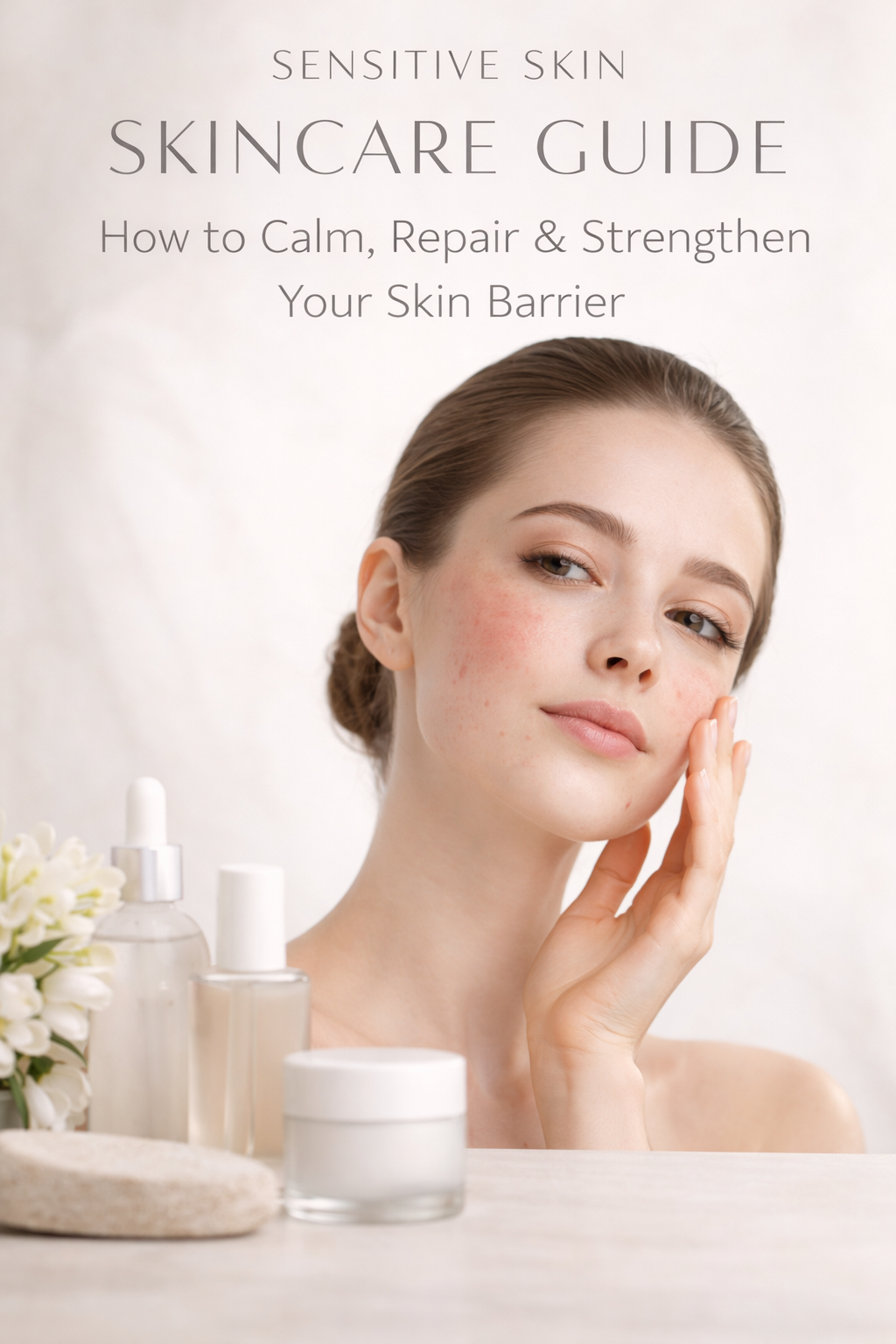
A damaged skin barrier rarely happens overnight. If you try new products or strong treatments often, it can sneak up on you. Many think redness or dryness is normal, but these may mean your skin barrier needs urgent care.
Early signs include dryness that just won’t go away, even after you moisturise. Your skin might feel tight, rough, or flaky, especially after washing your face. Unlike weather-related dryness, barrier damage tends to persist all day.
Another red flag is sudden skin sensitivity. Products that used to work fine might start to sting or irritate you. Even gentle formulas can burn when your barrier is compromised.
Inflammation is also common. Your skin might look red or blotchy, especially on your cheeks, nose, or chin. Some people even get more breakouts, since a weak barrier lets in bacteria and irritants more easily.
If things get worse, your skin might start to itch or burn, especially after using exfoliating acids, retinoids, or harsh cleansers. These symptoms signal your skin barrier needs time and gentle care to recover.
Common Causes of a Broken Skin Barrier
Knowing what causes a broken skin barrier helps you avoid long-term problems. Today, many use various active ingredients. Overdoing it can overwhelm your skin. Over-exfoliating is a big culprit. Chemical exfoliants like AHAs and BHAs can be great, but if you use them too often, they’ll strip away the natural oils that keep your skin barrier healthy.
The same goes for retinoids-using too much, too soon can leave your skin irritated and dry. Retinoids offer many anti-ageing benefits, but it’s best to start slowly to avoid damaging your barrier.
Harsh cleansers are also an issue. If your cleanser is too strong, it’ll remove not only dirt and oil but also the fats that keep your barrier intact. Over time, this leads to dryness.
Environmental factors matter. Pollution, UV rays, cold, and low humidity can weaken the skin barrier. These stressors break down protective lipids, leading to chronic inflammation.
Lifestyle matters too. Hot showers, poor sleep, dehydration, and stress slow skin repair. Combined with harsh skincare products, these factors can seriously compromise your barrier.
The Importance of Skin Barrier Repair
Repairing the skin barrier is not merely a cosmetic concern. Dermatologists emphasise that restoring barrier function is essential for maintaining healthy skin biology.
When your barrier heals, your skin retains moisture better. It feels more elastic, looks less dry, and your complexion is smoother.
Repairing the barrier also helps calm inflammation. Issues like acne, rosacea, and eczema often become easier to manage when your skin’s protective layer is strong.
Another benefit is better tolerance to actives. Once strong, the barrier lets treatments like retinoids, acids, and serums work without irritation.
In summary, a strong barrier helps you achieve better hydration, improved skin health, and better results from your skincare routine. Prioritising barrier repair is a simple step with big payoffs for healthy skin.
Dermatologist-Recommended Skin Barrier Repair Ingredients
Dermatologists often recommend focusing on ingredients that actively repair and strengthen the skin barrier. This section covers key components to look for when addressing skin barrier recovery.
Ceramides are among the most important components. These naturally occurring lipids make up a large portion of the skin barrier. When applied through moisturisers or serums, ceramides help rebuild the skin’s protective barrier.
Niacinamide is another highly respected ingredient. This form of vitamin B3 enhances ceramide production and strengthens barrier resilience. Niacinamide also reduces redness and regulates oil production, making it suitable for both dry and acne-prone skin.
Azelaic acid is widely recommended for individuals with inflammation or sensitivity. It provides gentle exfoliation while calming redness and reducing bacteria that contribute to breakouts. When combined with niacinamide, it offers a balanced approach to skin barrier repair.
Hyaluronic acid also plays an essential role. This humectant draws water into the skin, improving hydration and supporting the healing process. However, dermatologists often advise pairing it with occlusive moisturisers to prevent moisture evaporation.
Fatty acids and cholesterol are equally valuable. These lipids help restore the “mortar” between skin cells, improving overall barrier strength.
To sum up: using the right mix of these ingredients gives your skin what it needs to recover and grow stronger over time.
Understanding how azelaic acid and niacinamide work together can help optimise your barrier repair routine. This section explains why their combination is frequently highlighted in dermatologists’ advice.
Niacinamide strengthens your skin’s structure and calms irritation. It helps skin retain moisture and recover from stress.
Azelaic acid addresses redness, uneven tone, and mild breakouts. Unlike stronger exfoliating acids, it works gently and is often well tolerated by sensitive skin types.
Using both in a well-made barrier repair serum brings skin back in balance and addresses several issues at once. Dermatologists often recommend this combo for redness, post-acne marks, or mild rosacea.
Choosing the Best Serums for Barrier Repair
The right barrier repair serum speeds skin recovery. A good serum delivers key ingredients and helps lock in moisture and repair fats. The best serums often combine ceramides, niacinamide, and calming plant extracts to soothe your skin.
Serums that include azelaic acid and niacinamide offer additional benefits. They help correct redness and uneven tone while strengthening barrier integrity. Such formulations are particularly helpful for individuals whose barrier-damaging acne or irritation is accompanied by acne or irritation.
Texture also matters when selecting a serum. Lightweight formulations absorb quickly and work well for oily or combination skin. Richer serums may provide additional comfort for dry or sensitive skin types.
Consistency matters-use your barrier repair serum daily as part of a simple routine. This prevents irritation and helps skin recover.
A Dermatologist-Inspired Routine to Repair the Skin Barrier
Repairing your skin barrier takes patience and a gentle hand. Dermatologists often recommend reducing product use and focusing on hydration and protection.
- First, use a gentle cleanser. Choose one that’s fragrance-free and low-foam-it cleans without stripping essential oils.
- After cleansing, apply a hydrating serum with niacinamide or hyaluronic acid. This boosts moisture and supports healing.
- Next, use a barrier repair serum with azelaic acid and niacinamide to calm irritation and strengthen your barrier.
- Then, apply a rich moisturiser with ceramides and fatty acids. This locks in hydration and rebuilds your protective layer.
- Don’t skip sunscreen. UV rays worsen barrier damage and slow healing. A broad-spectrum formula protects your skin during recovery. Keep your night routine simple, too. Skip exfoliating acids and retinoids for a few weeks so your skin can rebuild its defences.
Timeframes for skin barrier recovery can vary. This section addresses how long you might expect the healing process to take, depending on the extent of the damage and the care methods used.
How long it takes to heal depends on how damaged your barrier is. Mild irritation can start to get better in just a week or two once you switch to a gentle skincare routine.
If your barrier is more damaged, it might take three to six weeks of steady care. During that time, your skin slowly rebuilds its protective fats and holds onto moisture better.
Severe cases can take months to heal, especially if you’ve been over-exfoliating or using harsh treatments for a long time. If that’s the case, it’s a good idea to see a dermatologist for extra help.
Patience is key. Try not to keep switching products-changing things up too often can slow down your skin’s recovery.
Preventing Future Skin Barrier Damage
Once your barrier is back on track, focus on keeping it healthy. Prevention is all about supporting your skin-not overdoing it. Exfoliation should be limited to one or two times per week, depending on skin type. This allows the skin to renew itself without compromising its protective layer. Active ingredients such as retinoids and exfoliating acids should be introduced gradually. Dermatologists often recommend starting with lower concentrations and increasing usage slowly.
Hydration also plays a vital role. Using moisturisers that contain ceramides, fatty acids, and humectants helps maintain the lipid structure of the skin barrier.
Sun protection should remain a daily habit. Ultraviolet exposure weakens barrier lipids and accelerates inflammation, underscoring the importance of sunscreen for long-term skin health.
Pay attention to what your skin is telling you. If you notice redness, stinging, or dryness, simplify your routine right away to prevent it from getting worse.
Final Thoughts
The skin barrier plays a crucial role in maintaining overall skin health, hydration, and resilience. When this protective system becomes compromised, the skin may develop dryness, redness, irritation, and increased sensitivity.
The good news is that you can fix a damaged skin barrier if you take the right steps. Gentle skincare, avoiding over-exfoliation, and using ingredients like ceramides, azelaic acid, and niacinamide can help your skin get back to balance.
A carefully formulated barrier repair serum that combines azelaic acid and niacinamide provides a targeted yet gentle solution for many individuals experiencing barrier disruption.
With patience, consistency, and a simpler routine, your skin can rebuild its defences and regain its healthy glow. The trick is to support your skin-not overload it-so your body’s natural repair systems can do their job.