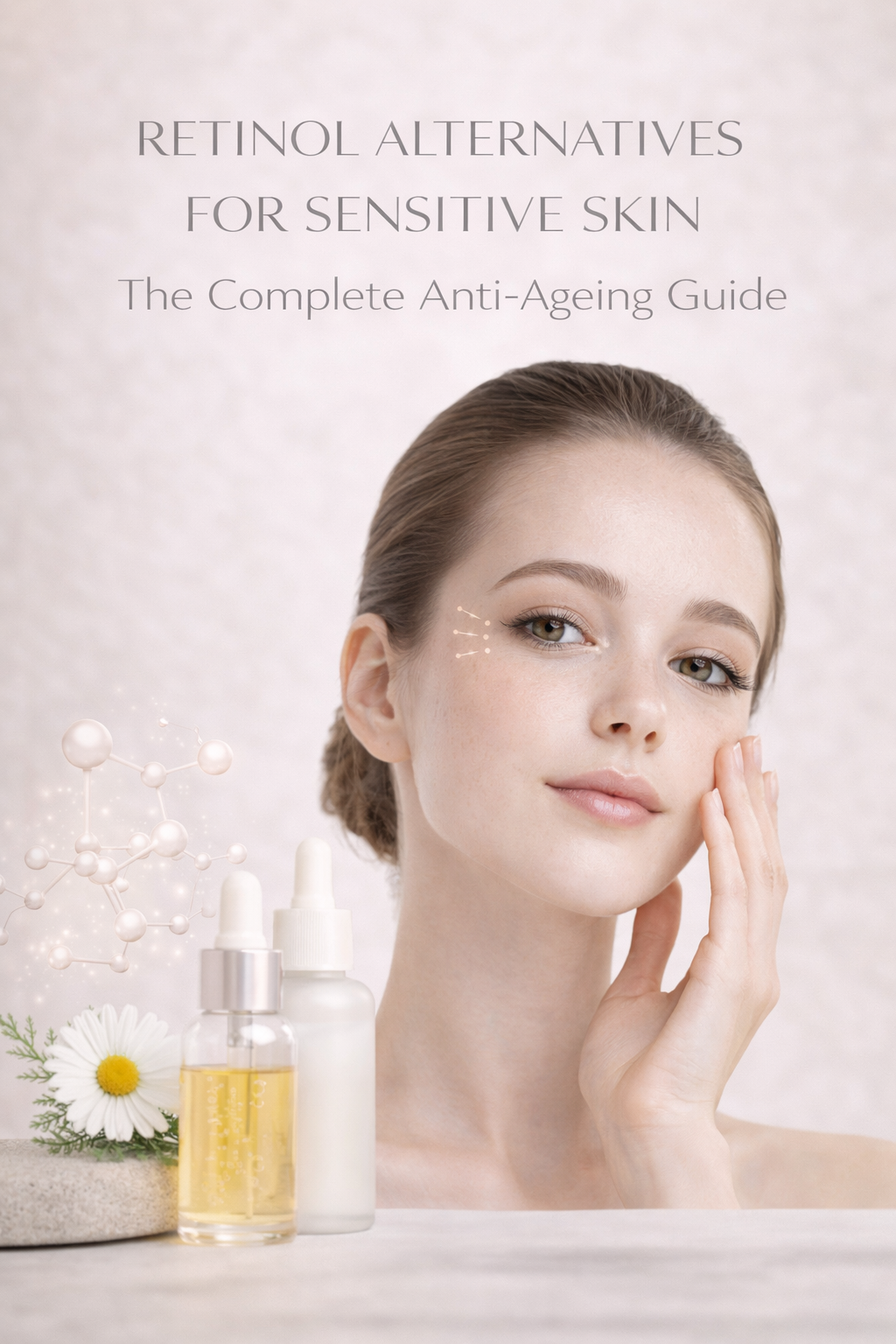
A retinol alternative serum for sensitive skin offers anti-ageing benefits such as smoother texture, improved tone and collagen support without irritation. Retinol has long been the leading anti-ageing skincare for its wrinkle-smoothing and texture-improving effects. Yet retinol isn’t for everyone.
Choosing the right retinol alternative serum for sensitive skin helps reduce fine lines while keeping the skin barrier calm and balanced.
People with sensitive skin often find that traditional retinol can cause redness, dryness, peeling, or increased sensitivity. The challenge is finding effective anti-ageing solutions that don’t cause discomfort.
Today’s skincare research has uncovered gentle alternatives that offer the same anti-ageing benefits without harsh effects. The right serum can even out skin tone, smooth lines, and boost collagen—keeping sensitive skin balanced.
Before diving in, let’s outline what you’ll find below. This guide explores the most effective retinol alternatives, explains how they work, and highlights options suitable for sensitive and pregnancy-safe skincare routines.
Why Retinol Can Be Too Harsh for Sensitive Skin
Retinol is part of the retinoid family, a group of vitamin A derivatives that speed up how quickly your skin renews itself. When you use retinol, it encourages your skin to make more collagen and shed old cells, which can help soften. This same action can also make it problematic for sensitive skin types.
Many people go through what’s called the “retinol adjustment period,” a period when skin might turn red, feel dry or tight, and get irritated as it adjusts to the ingredient. If you already have a delicate skin barrier, struggle with rosacea, or notice ongoing sensitivity, this product also increases sun sensitivity, making skin more vulnerable to UV damage without sun protection. Damage may occur unless proper sun protection is used consistently.
That’s why so many people look for retinol alternatives that offer anti-ageing results without the risk of irritation.
Now that we’ve covered why retinol can sometimes be problematic, let’s look at what qualities make a good alternative.
A great retinol alternative offers core benefits: it supports collagen production for firmness, helps renew skin for smoother texture, maintains hydration, and calms inflammation.
However, unlike retinol, gentler ingredients achieve these benefits without disrupting the skin barrier.
The best alternatives typically help stimulate collagen production for firmness, encourage a smoother texture, calm inflammation, and strengthen your skin barrier – crucial for sensitive skin.
Modern formulations often combine soothing botanical actives with scientifically proven skincare ingredients to create an anti-ageing serum for sensitive skin that works gradually yet effectively.
Bakuchiol vs Retinol: Understanding the Natural Alternative
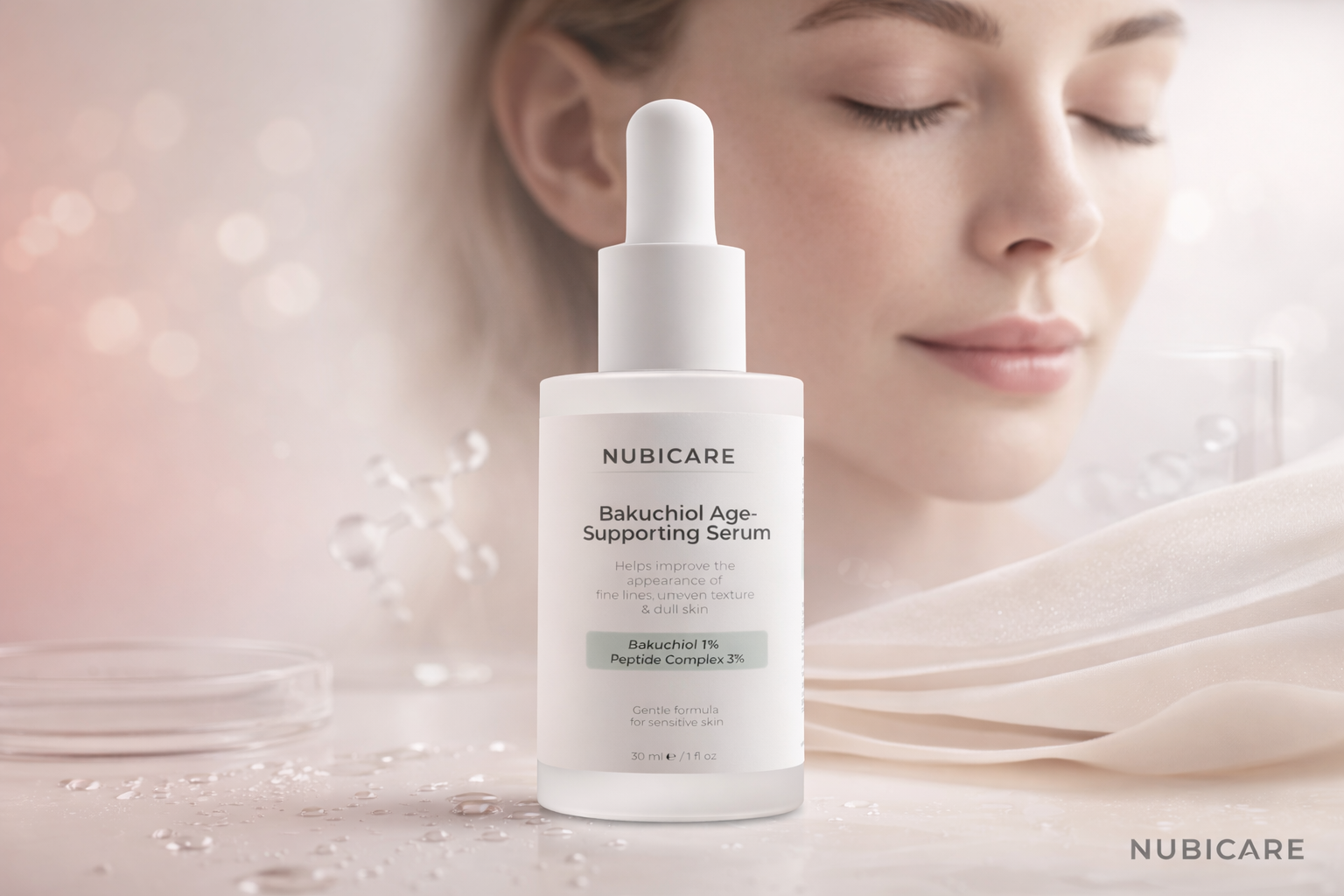
Bakuchiol is one of the most talked-about natural alternatives today. Sourced from the seeds of the Psoralea corylifolia plant, it’s become popular because it can mi. Bakuchiol’s main advantage over retinol is better tolerability.vs retinol, the biggest difference lies in tolerability.
Retinol converts to retinoic acid in the skin, which accelerates cell turnover. Bakuchiol, on the other hand, influences many of the same genetic pathways involved in collagen production and skin renewal, but does so more gently.
Research shows that bakuchiol can visibly reduce fine lines, improve pigmentation, and enhance skin elasticity, all with a much lower risk of irritation than retinol.
For anyone with sensitive or reactive skin, bakuchiol-based products can be an excellent alternative to retinol. Plus, bakuchiol rarely causes the dryness or peeling you might get from traditional retinol.
Bakuchiol also has antioxidant properties that help protect the skin from environmental stressors, such as pollution and UV radiation.
Azelaic Acid and niacinamide are standout retinol alternatives and a powerful duo for sensitive skin. Together, they provide gentle anti-ageing and skin-correcting benefits.-correcting benefits, and they’re both extremely gentle.
Azelaic acid is naturally found in grains such as barley and wheat. In skincare formulations, it is known for its anti-inflammatory, antibacterial, and brightening properties. It helps reduce redness, improve uneven skin tone, and minimise the appearance of blemishes and pigmentation.
Niacinamide (vitamin B3) is a hero ingredient for sensitive skin. It strengthens the skin barrier, improves hydration, calms inflammation, and supports collagen production for firmer, more toned skin.
Together, azelaic acid and niacinamide create a balanced formulation that reduces visible redness, smooths skin texture, improves brightness, and supports healthier skin renewal for comprehensive anti-ageing benefits.
For individuals seeking the best anti-ageing serum for sensitive skin, a formula that combines these two ingredients can deliver visible results without irritation.
When shopping for the best UK retinol alternative serum, choose formulas that protect your skin barrier.UK, focus on formulas that prioritise your skin barrier.
Sensitive skin can react badly to strong actives, alcohol, or heavy fragrance. That’s why gentle serums should emphasise soothing, barrier-supportive ingredients.
Seek serums with calming ingredients like niacinamide, ceramides, or botanical extracts. Hydrating agents like hyaluronic acid or glycerin help maintain moisture as actives work gradually.
The best formulations also include antioxidants that protect the skin from oxidative stress. Environmental damage from pollution and UV exposure contributes significantly to premature ageing. Antioxidant-rich ingredients help neutralise these effects.
A good alternative works gently over time. Consistent use is preferable to harsh treatments that cause irritation.
During pregnancy, many skincare ingredients are restricted for safety concerns. Retinoids, as vitamin A derivatives, are often avoided. Nancy, because they are related to vitamin A derivatives.
For this reason, many expectant mothers seek pregnancy-safe anti-ageing serums that keep skin healthy without risk.
Fortunately, several gentle serums are available that fit this requirement.
Bakuchiol is often seen as one of the best anti-ageing ingredients during pregnancy. It’s plant-based, gentle, and usually well tolerated by sensitive skin. Bakuchiol helps support collagen and improve skin texture without the risks of retinoids.
Azelaic acid is another ingredient dermatologists frequently recommend for pregnancy-safe skincare routines. It is known for treating pigmentation, acne, and redness while remaining gentle enough for sensitive skin types.
Niacinamide is also a valuable addition to pregnancy-safe skincare. It supports the skin barrier, reduces hormonal breakouts, evens out skin tone, and delivers anti-ageing benefits without causing irritation.
A serum that combines azelaic acid with niacinamide can therefore serve as a highly effective pregnancy-safe anti-ageing serum. Choosing the right serum is just one part of an effective anti-ageing routine. Sensitive skin needs a balanced approach that treats and protects. needed approach that treats and protects at the same time.
Start with a gentle cleanser that removes dirt and makeup without stripping your skin’s natural oils. Cleansing should leave your skin barrier intact, not disrupt it.
After cleansing, apply your retinol alternative serum. This step lets active ingredients like bakuchiol and azelaic acid. Hydration is key. A good moisturiser locks in moisture and supports your skin barrier, so actives don’t leave skin dry. The most critical step is sunscreen. Daily use prevents UV damage, a leading cause of premature ageing. No anti-ageing ingredient can make up for sun exposure. Ingredients cannot compensate for ongoing sun exposure.
With consistent care, this routine can help your sensitive skin stay calm and gradually improve tone, texture, and elasticity. Sensitive skin faces specific challenges as we age. Dehydrated, thin skin shows fine lines more. Redness and inflammation make uneven tone stand out. You might notice dark spots or hyperpigmentation from inflammation or breakouts. Sensitive skin’s weaker barrier makes it more vulnerable to environmental damage.barrier, so it’s more easily damaged by the environment.
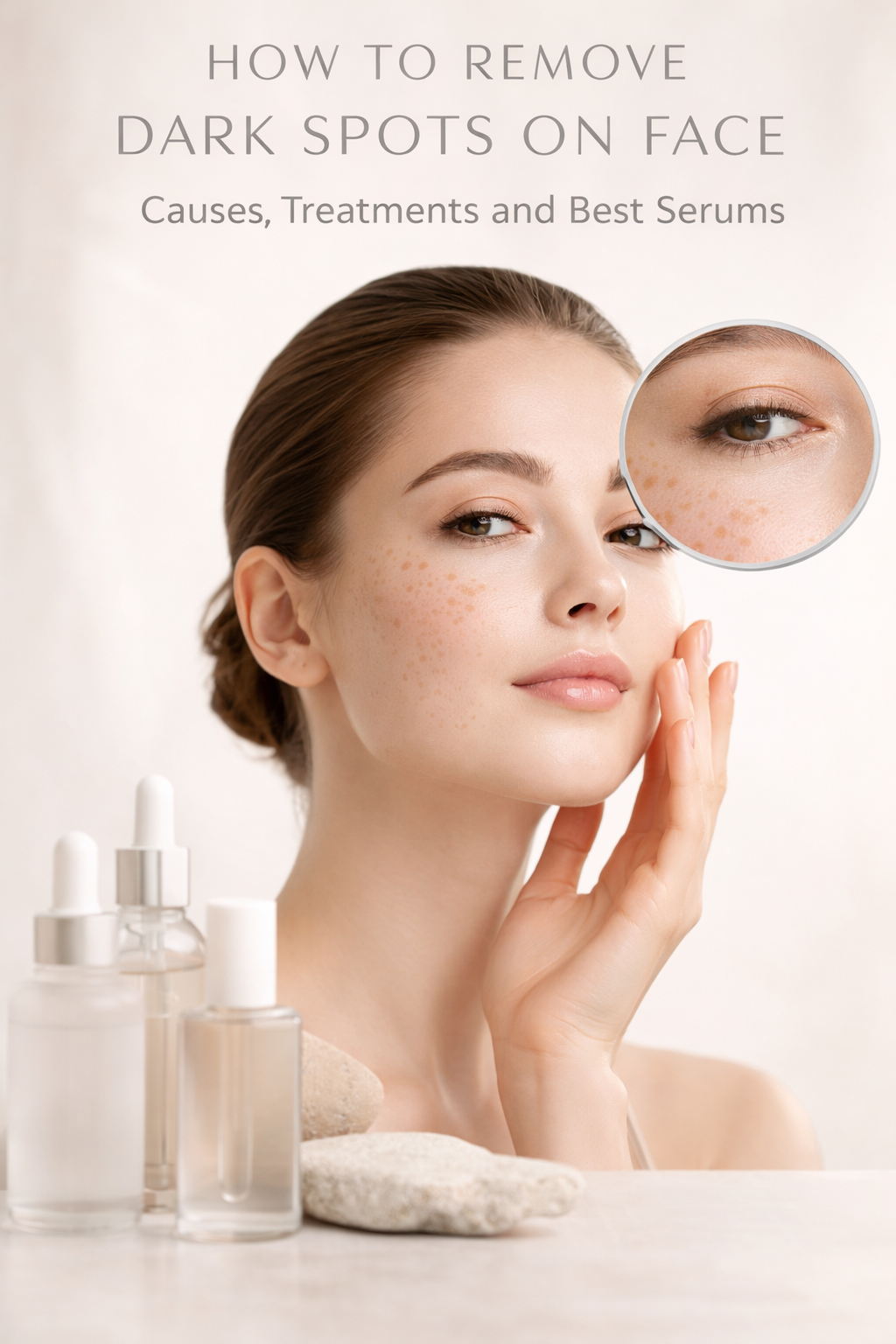
A well-formulated anti-ageing serum for sensitive skin can address all these issues at once. Ingredients like azelaic acid help fade pigmentation and redness, while niacinamide boosts hydration, strengthens the skin barrier, and improves overall tone and firmness.
Over time, this combination can help you achieve smoother, brighter, and healthier-looking skin.
A final piece: how quickly can you expect to see results from your chosen retinol alternative?
Retinol alternatives usually work a bit more slowly than traditional retinoids, but they come with far fewer side effects.
Most people start to notice a smoother texture and more brightness in about four to six weeks of regular use. Fine lines and pigmentation tend to improve gradually over a few months as your skin continues to build collagen and renew itself.
The best part? Gentle ingredients can be used consistently, so you avoid irritation or any difficult adjustment phase.
For sensitive skin, this slow-and-steady approach often leads to better results that last.
Final Thoughts
Anti-ageing skincare doesn’t have to mean irritation or discomfort. Retinol is a powerful tool, but it’s not the only way to achieve smoother, healthier skin.
There are plenty of modern alternatives that deliver similar results without sacrificing comfort. Ingredients like bakuchiol, azelaic acid, and niacinamide offer gentle but powerful support for collagen, skin renewal, and barrier protection.
A well-formulated retinol alternative serum can easily become the foundation of an effective anti-ageing routine, especially if you have sensitive skin.
If you’re looking for the best anti-ageing serum for sensitive skin, opt for products that combine soothing and corrective ingredients. These formulas help address wrinkles, uneven tone, and redness, while preserving your skin’s natural balance.
And if you need a pregnancy-safe anti-ageing serum, ingredients like azelaic acid, niacinamide, and bakuchiol are all safe and effective options.
With a little patience and consistency, gentle skincare really can deliver lasting anti-ageing results without the irritation that often comes with traditional retinol.