Rosacea redness treatment-2026
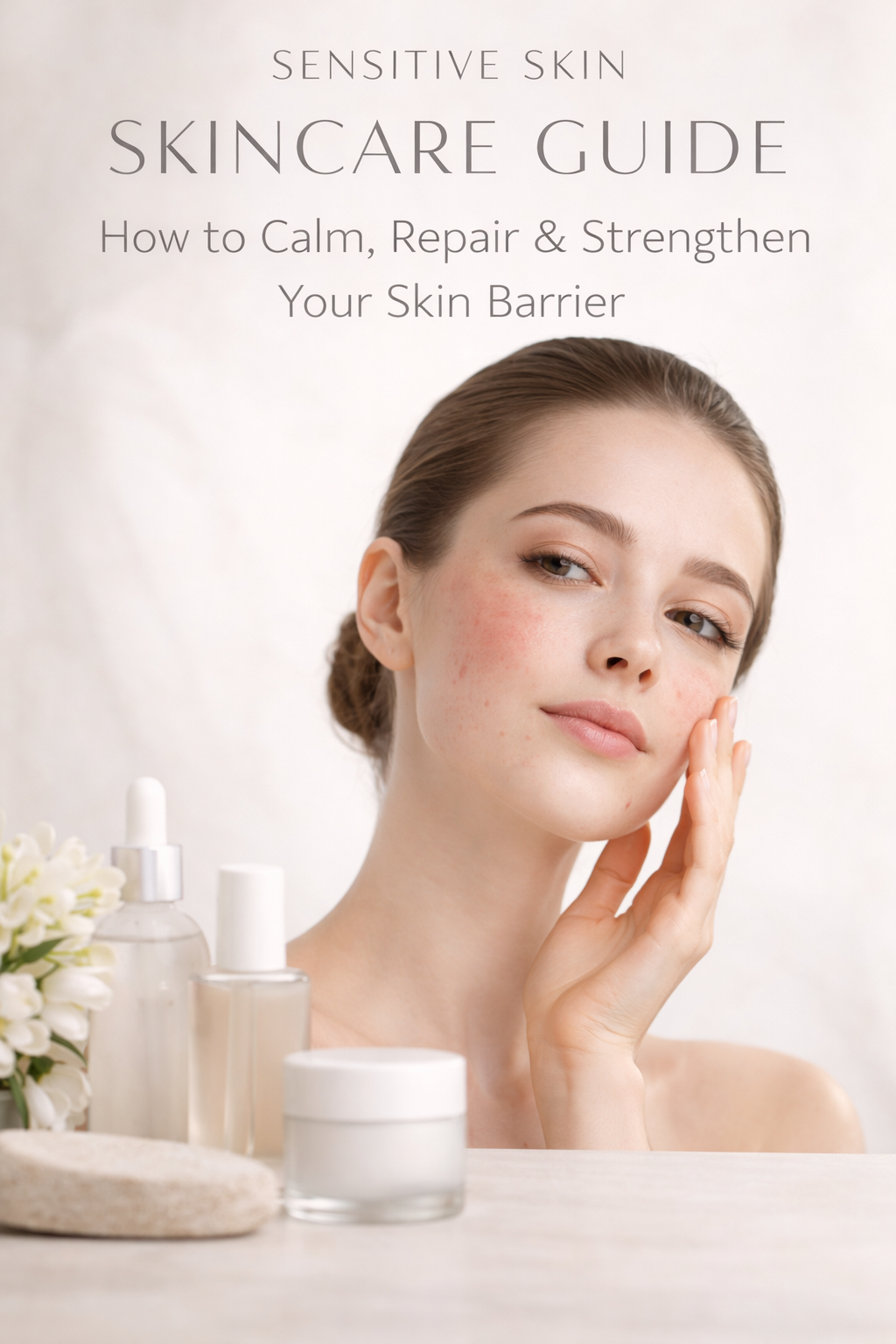
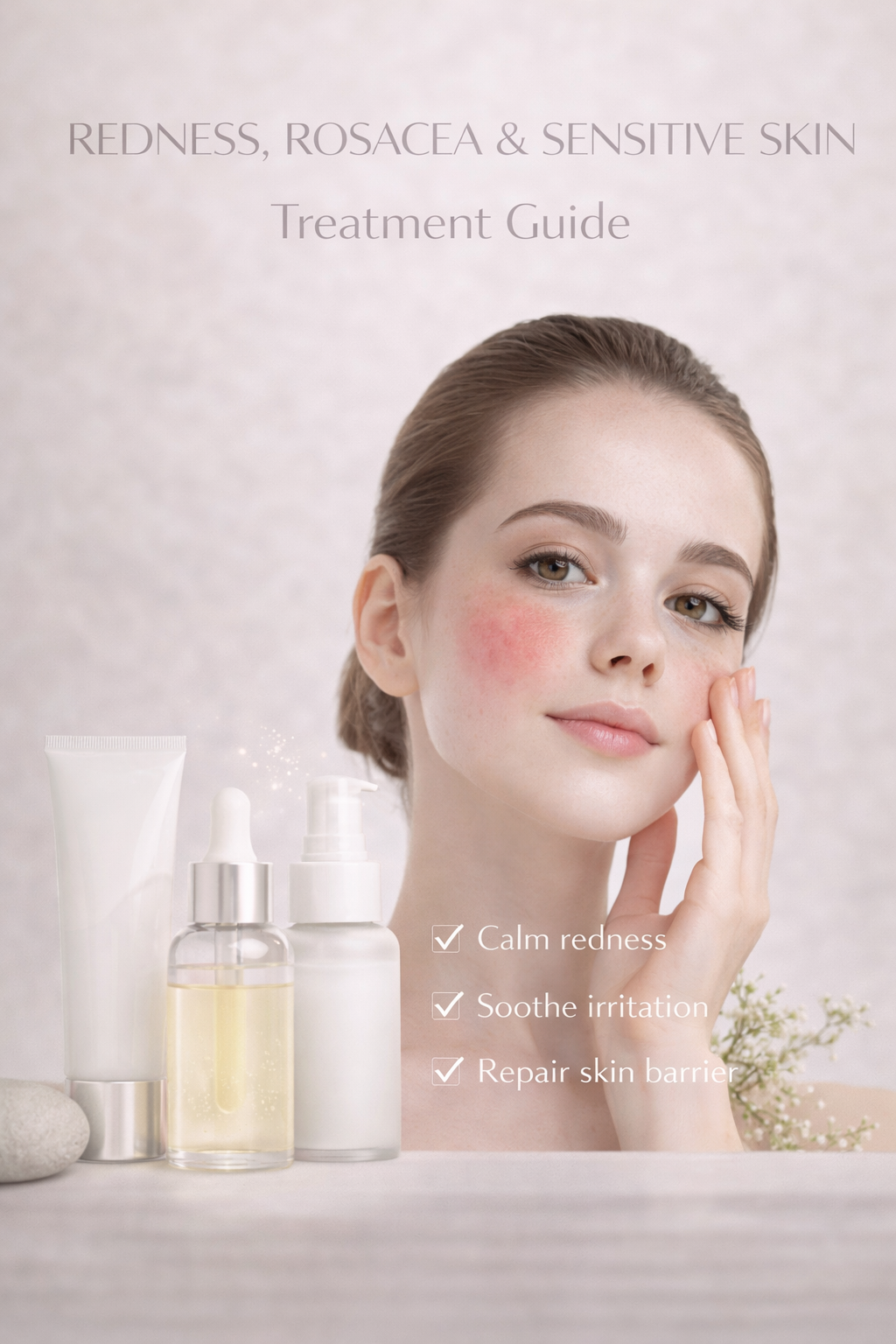
Rosacea redness treatment focuses on calming inflammation and reducing persistent facial redness caused by sensitive skin conditions. Facial redness is a concern that affects all genders and ages. It can appear after sun exposure, exercise, or skincare use. For some, it becomes a regular issue tied to sensitive skin or conditions like rosacea. Regardless of the cause, facial redness can affect self-confidence and comfort.
A consistent rosacea redness treatment routine can help reduce inflammation and improve overall skin comfort.
Getting to the root of facial redness is the first step toward effective treatment.
Inflammation, a weakened skin barrier, environmental factors, and underlying skin conditions can all play a part. The encouraging news is that with the right skincare routine and soothing ingredients, you can visibly reduce redness and restore your skin’s balance.
In this guide, you’ll learn what causes facial redness, how to differentiate between temporary irritation and rosacea, and which current treatment options are most effective. A particular focus will be placed on key ingredients such as Azelaic Acid and Niacinamide, explaining why these are supportive for sensitive skin and effective at soothing inflammation. To begin, let’s focus on understanding the mechanisms behind facial redness.
Understanding Redness on Face
Facial redness occurs when blood vessels near the skin’s surface expand, creating a flushed look. Occasional redness is normal, but frequent redness may signal that your skin is reacting to internal or external stress.
If you have sensitive skin, it’s more likely to react to things like heat, sunlight, harsh skincare products, or pollution. When your skin’s protective barrier gets weakened, it becomes easier for irritants to get in, making your skin more reactive and prone to redness.
Redness can show up on your cheeks, nose, forehead, or chin. Sometimes, you might also notice small visible blood vessels or bumps, which can look a lot like acne but are usually tied to rosacea or ongoing inflammation, not clogged pores.
If redness on your face becomes frequent or persists, it’s important to use a skincare routine that soothes your skin and helps repair its barrier.
Now that you have an overview of facial redness, let’s take a closer look at one of its common underlying causes: rosacea.
Rosacea is a chronic inflammatory skin condition that primarily affects the central face. It commonly appears as persistent redness across the cheeks and nose, although the forehead and chin may also be affected.
People with rosacea may experience flare-ups that cause the skin to appear flushed or inflamed. These flare-ups can be triggered by environmental factors, emotional stress, spicy foods, alcohol, or sudden temperature changes.
In addition to redness, rosacea symptoms may include:
Visible blood vessels near the skin surface
Burning or stinging sensations
Small red bumps resembling acne
Dry or sensitive skin texture
Rosacea tends to develop gradually. Early symptoms often appear as occasional flushing that becomes more persistent over time. While there is no permanent cure, rosacea can be effectively managed through lifestyle adjustments and calming skincare treatments.
One of the most important goals in rosacea management is reducing inflammation and strengthening the skin barrier. This is where gentle ingredients such as Azelaic Acid and Niacinamide can be particularly helpful.
Common Causes of Facial Redness
Facial redness can be triggered by a wide variety of factors. Identifying these triggers is essential for preventing flare-ups and selecting the right irritated skin treatment.
One of the most frequent causes is skin sensitivity. Sensitive skin reacts quickly to environmental changes and cosmetic ingredients. Products containing alcohol, artificial fragrance, or harsh exfoliants can disrupt the skin barrier and lead to redness.
Sun exposure is another major contributor. Ultraviolet radiation damages the skin and increases inflammation, often leading to flushing and irritation. Individuals with rosacea or sensitive skin may notice redness shortly after spending time outdoors.
Temperature changes can also affect blood vessel dilation. Moving from a cold environment into a heated room, or exposure to hot showers and saunas, may trigger facial redness.
Certain lifestyle habits can also worsen facial redness. Spicy foods, alcohol consumption, and emotional stress may increase blood flow to the skin, leading to temporary flushing.
Finally, underlying skin conditions such as rosacea, eczema, and dermatitis frequently cause persistent redness. These conditions require consistent skincare and, in some cases, medical guidance to control inflammation.
How Skin Barrier Damage Leads to Irritation
The skin barrier plays a vital role in protecting the body from environmental stressors. It consists of a layer of skin cells held together by natural lipids that prevent moisture loss and block harmful irritants.
When the skin barrier becomes compromised, the skin loses its ability to maintain hydration and defend against external aggressors. As a result, inflammation increases and redness becomes more visible.
Over-cleansing, aggressive exfoliation, and the use of strong active ingredients can weaken the barrier over time. Pollution and UV exposure can further damage the protective layer.
Once the barrier becomes impaired, the skin may begin to sting, burn, or feel unusually tight. Even gentle skincare products may cause irritation. This cycle of inflammation and sensitivity can make facial redness difficult to control.
Restoring the skin barrier is therefore one of the most important aspects of treating irritated skin. Hydrating and anti-inflammatory ingredients help rebuild the protective layer and reduce reactivity.
Best Serum for Redness and Sensitive Skin
A well-formulated redness serum can play a key role in calming irritated skin and improving overall skin resilience. Serums are designed to deliver concentrated active ingredients directly into the skin, allowing them to target inflammation more effectively than basic moisturisers.
When choosing a redness serum for sensitive skin, look for ingredients known for their soothing and anti-inflammatory properties. Two of the most effective ingredients in this category are Azelaic Acid and Niacinamide.
Azelaic Acid is a naturally occurring compound that helps reduce inflammation and redness. It is widely used in dermatology for the treatment of rosacea because it calms irritated skin while improving uneven skin tone. In addition, Azelaic Acid has mild antibacterial properties that can help prevent acne-like bumps often associated with rosacea.
Niacinamide, a form of Vitamin B3, supports the skin barrier and reduces visible redness. It helps strengthen the skin’s outer layer, improving its ability to retain moisture and resist environmental stress. Niacinamide also regulates oil production and minimises inflammation, making it suitable for both sensitive and combination skin types.
When used together, Azelaic Acid and Niacinamide form a powerful combination for reducing facial redness. This pairing addresses inflammation, strengthens the skin barrier, and improves overall skin texture.
A high-quality redness serum that contains these ingredients can gradually reduce persistent redness and promote a calmer complexion.
How to Calm Irritated Skin and Reduce Inflammation
Calming irritated skin requires a consistent approach that prioritises gentle skincare and barrier repair. Rather than aggressively treating the skin, the focus should be on reducing inflammation and restoring balance.
The first step is simplifying the skincare routine. Using too many active products can overwhelm sensitive skin and worsen redness. A minimal routine consisting of a gentle cleanser, soothing serum, moisturiser, and sunscreen is often the most effective approach.
Hydration is essential for maintaining healthy skin function. Moisturising ingredients such as glycerin, hyaluronic acid, and ceramides help replenish lost moisture and strengthen the protective barrier.
Sun protection also plays a critical role. Daily use of a broad-spectrum sunscreen helps prevent UV-induced inflammation and protects the skin from long-term damage.
Cooling ingredients such as aloe vera, green tea extract, and panthenol can provide additional soothing benefits. These ingredients help reduce visible redness and calm irritated skin.
Most importantly, consistency is key. Skin inflammation takes time to heal, and results typically appear gradually over several weeks.
Skincare Routine for Redness-Prone Skin
Developing a simple, consistent skincare routine can significantly reduce facial redness and irritation.
A gentle cleanser should be the foundation of the routine. Cleansers designed for sensitive skin remove impurities without stripping away natural oils. Avoid products containing sulphates or strong fragrances.
After cleansing, a redness serum containing Azelaic Acid and Niacinamide can be applied. This step targets inflammation and supports long-term skin barrier repair.
A lightweight moisturiser should follow to lock in hydration. Moisturisers containing ceramides or squalane help reinforce the skin barrier and protect against environmental stress.
In the morning, sunscreen is essential. Ultraviolet exposure is one of the most common triggers for redness and rosacea flare-ups. A mineral sunscreen containing zinc oxide is often recommended for sensitive skin because it is less likely to cause irritation.
At night, the focus should remain on gentle hydration and barrier repair. Avoid harsh exfoliants and strong chemical peels unless recommended by a dermatologist.
Lifestyle Changes That Help Reduce Facial Redness
Skincare is important, but lifestyle habits also help manage facial redness. Identify and avoid triggers such as spicy foods, alcohol, stress, and extreme temperatures. Prioritise a balanced diet, stay hydrated, and protect skin from sun exposure for the best results.
Dietary triggers may vary between individuals, but spicy foods, hot beverages, and alcohol are commonly associated with facial flushing. Observing personal triggers and moderating their consumption can help prevent flare-ups.
Stress management is another important factor. Emotional stress can increase inflammation throughout the body, including the skin. Activities such as meditation, exercise, and sufficient sleep can support overall skin health.
Temperature control can also reduce redness episodes. Avoid extremely hot showers or prolonged exposure to heat sources such as saunas.
Protecting the skin from environmental conditions such as wind, cold weather, and pollution can further minimise irritation.
These lifestyle adjustments, combined with the right irritated skin treatment routine, can significantly improve skin comfort and appearance.
When to See a Dermatologist
While many cases of facial redness can be managed with gentle skincare and lifestyle adjustments, persistent or severe redness may require professional evaluation.
If redness is accompanied by painful bumps, eye irritation, or significant swelling, consulting a dermatologist is recommended. A dermatologist can determine whether rosacea or another skin condition is present and recommend targeted treatments.
Prescription medications, topical therapies, and specialised skincare products may be necessary for more advanced rosacea cases.
Early diagnosis and treatment can help prevent worsening symptoms and protect long-term skin health.
Final Thoughts
Facial redness, rosacea, and sensitive skin are common concerns that affect millions of people. Although these conditions can be frustrating, they can be effectively managed with the right knowledge and skincare approach.
Understanding the triggers of facial redness enables individuals to make informed decisions about skincare products and lifestyle habits. Focusing on calming ingredients, strengthening the skin barrier, and reducing inflammation can gradually restore skin balance.
A carefully formulated redness serum containing Azelaic Acid and Niacinamide can be particularly beneficial for treating irritated skin. These ingredients work together to reduce inflammation, support skin repair, and promote a clearer, calmer complexion.
With patience and consistency, even highly sensitive skin can regain its natural resilience. A gentle routine, protective habits, and targeted treatments can help reduce redness and support long-term skin health.