Healthy, balanced skin relies on several natural processes working in harmony. When these processes are thrown off balance, issues like acne, redness, uneven tone, and marks left behind by spots can show up. That’s why so many people look for skincare ingredients that can tackle a few problems at once, without being too harsh for everyday use. Azelaic acid is one such ingredient that has recently caught the eye of both dermatologists and skincare enthusiasts.
Azelaic acid is best known for helping to clear acne, soothe irritated skin, and even out skin tone. Dermatologists like to recommend it because it tackles several common skin issues at once, instead of just one. In the world of skincare, niacinamide has also become a big name thanks to its ability to support the skin barrier and control oil. This has sparked a lot of talk: is it better to use azelaic acid or niacinamide, and can you use both for even better results?
This guide covers azelaic acid, its acne benefits, its comparison to niacinamide, and whether they work well together in a skincare routine.
Understanding Azelaic Acid in Skincare
Azelaic acid is a naturally occurring compound that belongs to a group of substances known as dicarboxylic acids. It is derived from grains such as wheat, rye, and barley, though most skincare formulations use a purified, laboratory-produced version to ensure stability and effectiveness.
Azelaic acid stands out in skincare because it goes after several root causes of common skin troubles. Things like acne and uneven skin tone usually happen when bacteria build up, pores get clogged, skin gets inflamed, or pigment is produced unevenly. Azelaic acid helps with all of these at once.
Dermatologists frequently prescribe higher concentrations of azelaic acid for conditions such as acne and rosacea. At the same time, lower concentrations are widely available in over-the-counter skincare products designed for daily use. Because it works gradually and gently, it is often suitable for individuals with sensitive or reactive skin who may struggle with stronger exfoliating acids.
With regular use, you’ll usually notice your skin looks clearer, calmer, and more even over time.
Azelaic Acid for Acne: How It Works?
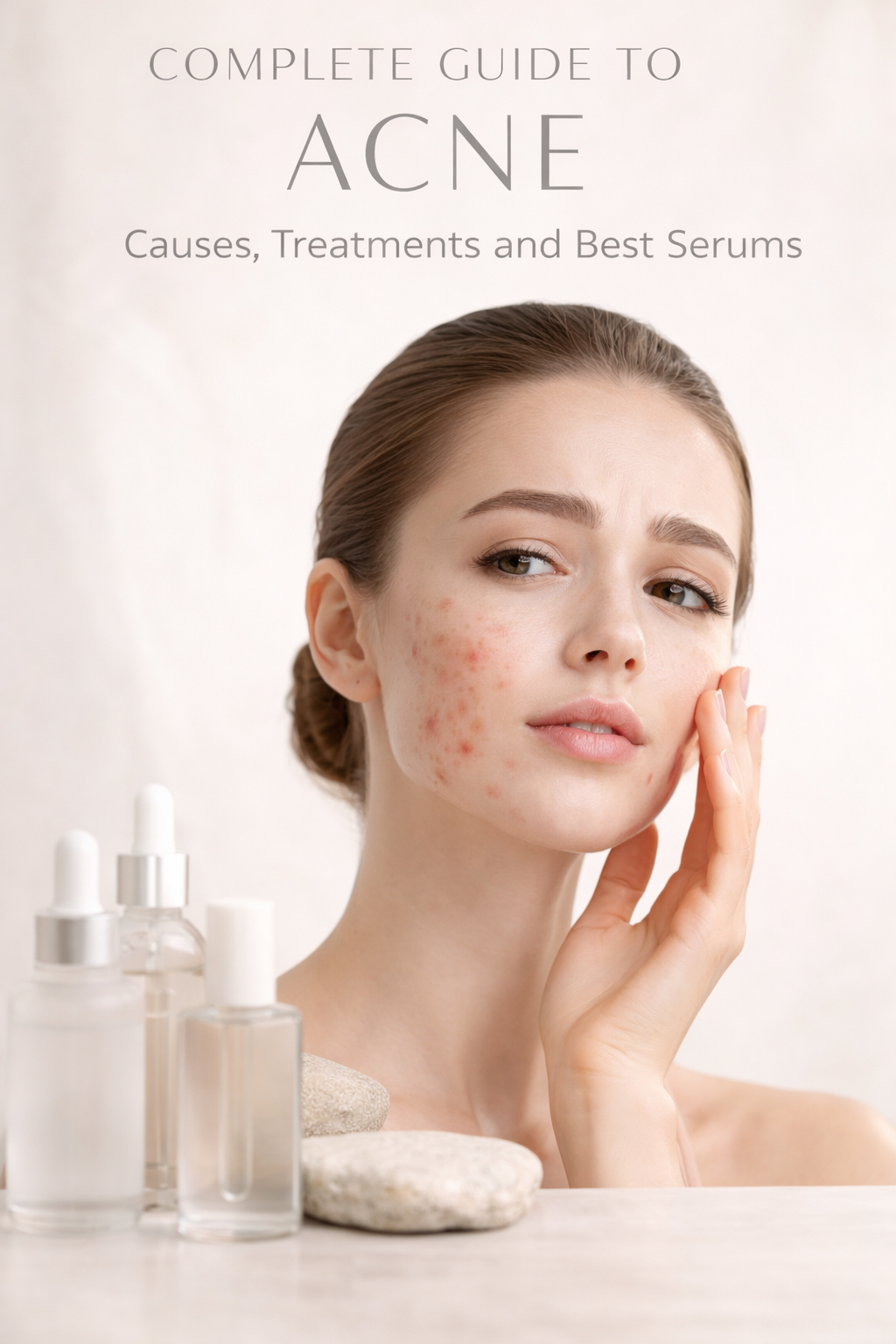
Many people turn to azelaic acid for acne because it works through several complementary mechanisms that target the underlying causes of breakouts.
One of the main ways azelaic acid works is by fighting the bacteria that can cause acne. When these bacteria multiply inside blocked pores, they trigger inflammation and blemishes. Azelaic acid helps keep these bacteria in check and may help prevent new breakouts.
Another big plus is that azelaic acid calms redness and swelling. Spots often look red and feel sore – by soothing the skin, azelaic acid can help reduce this irritation, giving your skin a better chance to heal.
Azelaic acid also helps regulate keratin production, a structural protein found in the skin. When keratin builds up excessively, it can block pores and contribute to the formation of blackheads and whiteheads. By normalising this process, azelaic acid helps improve skin texture and reduce pore congestion.
Thanks to all these effects, people who use azelaic acid regularly often see fewer spots and clearer skin over time.
Benefits of Azelaic Acid Beyond Acne
Although acne treatment is one of its most recognised uses, azelaic acid provides several additional benefits for the skin.
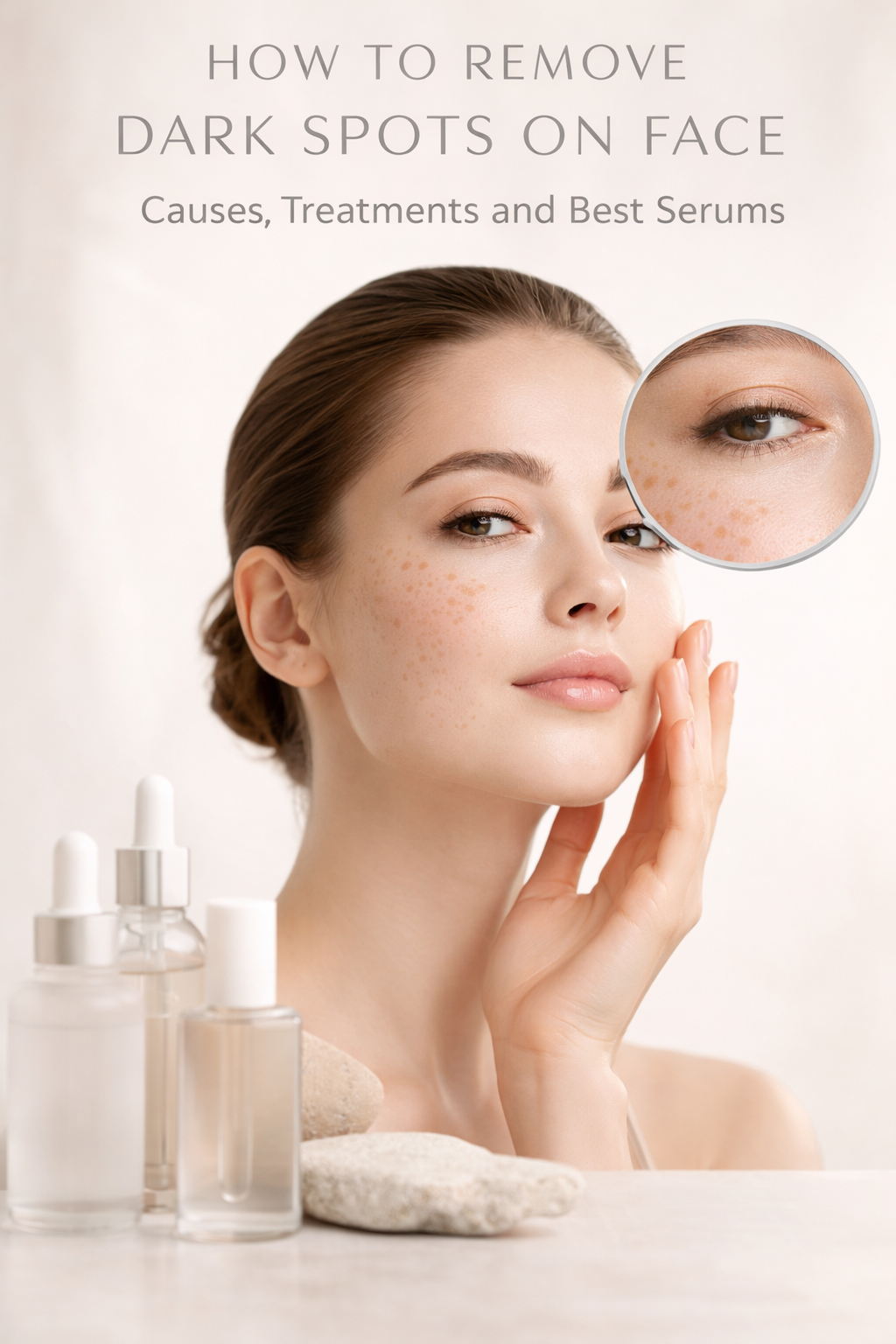
One of its most important properties is its ability to improve uneven pigmentation. The ingredient helps regulate melanocyte activity, the cells responsible for producing melanin. Excess melanin production can lead to dark spots or patches of hyperpigmentation, especially after acne lesions heal.
Azelaic acid slows down the process that makes extra pigment, so dark spots can fade over time and new ones are less likely to appear.
It’s also great for calming down redness or irritation. If you have ongoing facial redness or mild rosacea, azelaic acid’s soothing effect can really help.
Unlike some strong exfoliating acids, azelaic acid doesn’t make your skin much more sensitive to the sun. Still, wearing sunscreen every day is important for keeping your skin healthy and preventing new dark spots.
All in all, if you stick with it, azelaic acid can help your skin look clearer, smoother, and more balanced.
Given its versatility, you might wonder how azelaic acid compares to other popular skincare ingredients, such as niacinamide.
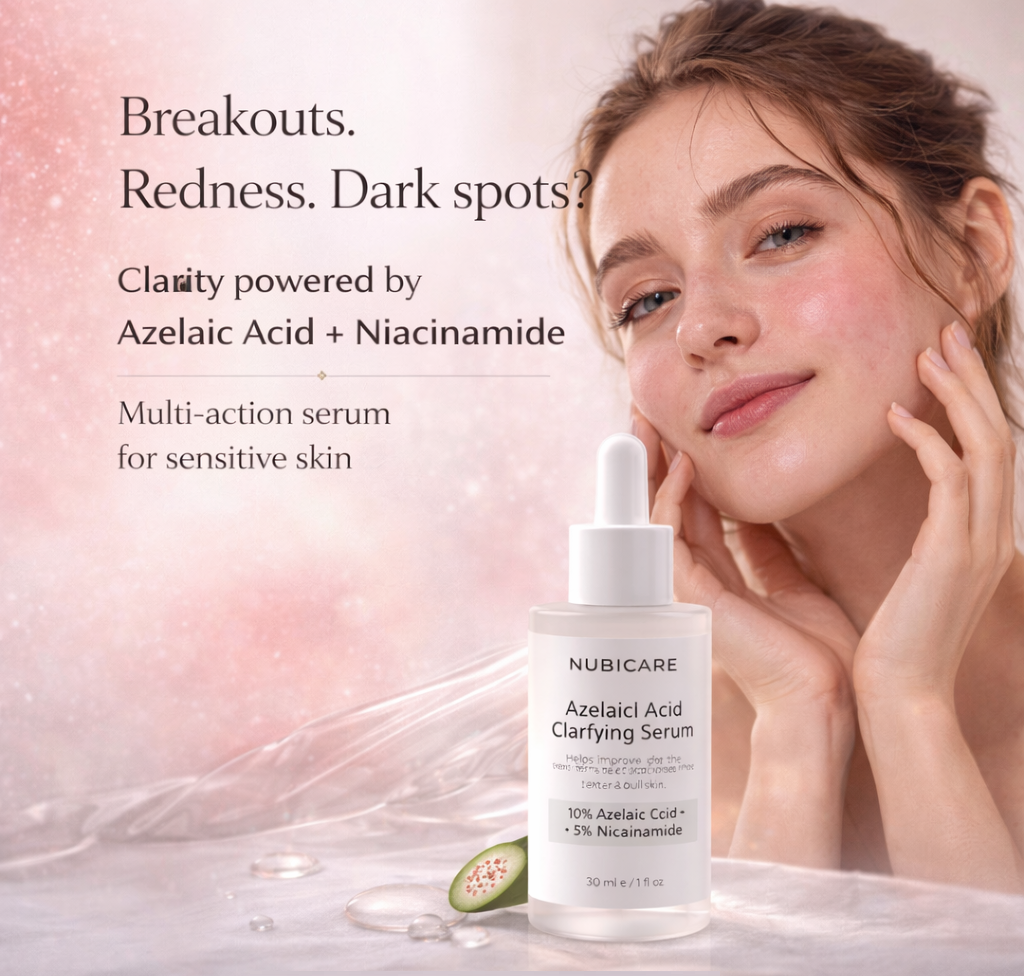
People often compare azelaic acid and niacinamide because both come up a lot in skincare advice. They do share some benefits, but each works differently and is best for slightly different needs.
Azelaic acid primarily focuses on treating acne, reducing inflammation, and improving hyperpigmentation. It targets bacteria, unclogs pores, and regulates melanin production, making it particularly helpful for individuals dealing with breakouts and post-acne marks.
Niacinamide, also known as vitamin B3, supports the skin barrier and enhances overall skin resilience. It helps regulate oil production, strengthen the protective barrier, and improve hydration balance. Niacinamide can also reduce redness and minimise the appearance of enlarged pores.
So, which is better – azelaic acid or niacinamide? It really depends on what your skin needs most.
If you’re mainly dealing with breakouts and dark marks that won’t go away, azelaic acid is likely the better pick. If your goal is to make your skin barrier stronger and keep oil under control, niacinamide might be your best bet.
But you don’t have to choose just one – these ingredients often work even better together to support healthier skin.
After comparing the two, the question arises: can azelaic acid and niacinamide be used together for optimal results?
A lot of people wonder if it’s safe to use azelaic acid and niacinamide together. The good news is, they’re usually very compatible and can actually boost each other’s effects.
Azelaic acid focuses on reducing acne, calming inflammation, and improving pigmentation. Niacinamide supports the skin barrier and helps maintain balanced oil production. When combined, they can address several skin concerns at once.
Niacinamide may also help improve the skin’s tolerance to active ingredients. Strengthening the skin barrier can reduce irritation that sometimes occurs when introducing new treatments.
So, using both can give you a routine that tackles breakouts, redness, uneven tone, and keeps your skin barrier happy – all at once.
Some skincare formulations already combine both ingredients within a single product. Alternatively, they can be layered in separate products within the same routine.
How to Use Azelaic Acid in a Skincare Routine
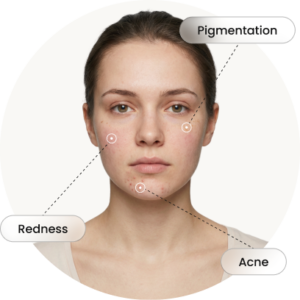
Adding azelaic acid to your skincare routine is pretty simple. Just start slowly so your skin has time to adjust.
After washing your face with a gentle cleanser, smooth a thin layer of azelaic acid onto clean, dry skin. You can use it all over your face or just on areas where you have spots or dark marks.
Follow up with a moisturiser to keep your skin hydrated and protected.
If niacinamide is part of the routine, it can be applied either before or after azelaic acid, depending on the formulation. Many people prefer applying niacinamide serum first, followed by azelaic acid cream or gel.
During the daytime, sunscreen should always be applied as the final step. Sun protection helps prevent further pigmentation and supports the skin’s recovery process.
If your skin is sensitive, start by using azelaic acid once a day, then gradually increase to twice a day if your skin feels comfortable.
Understanding how to use azelaic acid includes knowing how long it takes to show results.
Skincare ingredients generally require consistent use before noticeable improvements appear, and azelaic acid is no exception.
For acne, you might start to see less redness and fewer new spots after four to six weeks, but clearer skin usually takes a few months of steady use.
Dark spots can take even longer to fade. It’s common to notice changes after eight to twelve weeks as your skin naturally renews itself.
Patience and consistency are essential. Regular application combined with good skincare habits can significantly improve results over time.
Possible Side Effects and Skin Sensitivity
Azelaic acid is widely considered a gentle active ingredient, but some individuals may experience mild reactions when first introduced to it.
You might notice a little tingling, some dryness, or mild irritation at first. Usually, these side effects fade as your skin gets used to azelaic acid.
Using a moisturiser with azelaic acid can keep your skin comfortable. If you have sensitive skin, it’s a good idea to do a patch test before applying it everywhere.
If you keep feeling irritated, try using it less often or talk to a dermatologist for advice.
Supporting Clear Skin with Healthy Habits
While skincare ingredients such as azelaic acid and niacinamide play an important role in improving skin concerns, daily habits also influence overall skin health.
Sun protection is one of the most important steps in preventing hyperpigmentation and maintaining even skin tone. Ultraviolet exposure can stimulate melanin production, leading to new dark spots or worsening existing ones.
Gentle skincare practices are also essential. Over-exfoliating the skin or using harsh scrubs may trigger inflammation, worsening acne, and pigmentation.
Eating well, drinking enough water, and managing stress all help your skin look and feel its best.
When you pair these good habits with proven ingredients like azelaic acid and niacinamide, you’re more likely to see your skin become clearer and more resilient as time goes on.
Let Me Write the End as Below:
Azelaic acid has become an increasingly valuable ingredient in modern skincare because it addresses multiple skin concerns in a balanced and gentle way. From treating breakouts to calming redness and improving uneven pigmentation, it offers a versatile solution for individuals seeking clearer skin.
Understanding the comparison between azelaic acid and niacinamide helps highlight how each ingredient contributes to skin health. While azelaic acid focuses on reducing acne and pigmentation, niacinamide strengthens the skin barrier and supports overall balance.
Rather than choosing between the two, many people benefit from using azelaic acid and niacinamide together as part of a thoughtful skincare routine. This combination can help reduce breakouts, improve skin texture, and promote a more even complexion over time.
With patience, consistent application, and proper sun protection, azelaic acid can become a reliable component of a long-term skincare strategy to achieve clearer, calmer, and healthier-looking skin.